
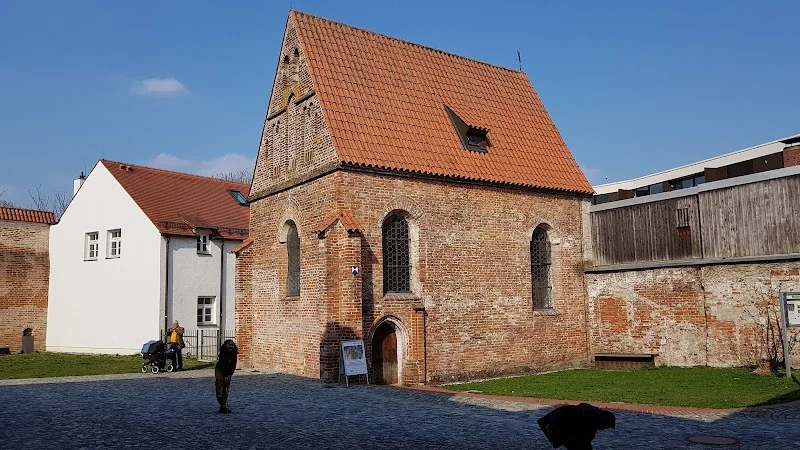
Bauhofstraße 3d, Landshut-Piflas
Bauhofstraße 3d, 84028 Landshut, Germany
Rochuskapelle Landshut | Concerts & Events
The Rochuskapelle in Landshut is a historic cultural space that is much more than a small chapel. Since summer 2009, Haus International has been using the listed site as a stage for encounters, music, exhibitions, and intercultural formats. It is officially described as a place located on the northern edge of the historic city center by the Große Isar and is reachable within minutes from the old town, new town, and Freyung. Those searching for Rochuskapelle Landshut, photos, or events will find a clearly defined place with its own identity: intimate, historically charged, and at the same time open to modern culture. The combination of old building substance, international programming, and central location makes the Rochuskapelle a hit for people looking for not just a venue, but a special experience space. ([haus-int.de](https://www.haus-int.de/kulturraum-rochuskapelle/konzept-geschichte/))
Events and Concerts at the Rochuskapelle Landshut
The heart of the Rochuskapelle beats in the program. Haus International uses the space for concerts, lectures, exhibitions, performances, and interreligious offerings; additionally, since 2018, the International Open-Air Film Nights take place there in July, showcasing films from various continents. The concert page describes the space as particularly suitable for musical formats featuring world music and interreligious encounters. This very mix explains why the Rochuskapelle works so well in search queries for events: The chapel is not a classic multipurpose hall, but a deliberately curated cultural venue with a clear signature. The program thrives on closeness, content, and atmosphere rather than size and spectacle. ([haus-int.de](https://www.haus-int.de/kulturraum-rochuskapelle/konzerte/))
The rhythm of the year is also clearly recognizable. For the exhibition sector, Haus International names four to five exhibitions per year; the opening hours are usually from Monday to Saturday between 2 PM and 5 PM, visits at other times are possible by prior arrangement, and there is a winter break from November to mid-March. For concerts, the website emphasizes special sound moments in spring, autumn, and since 2021 also in summer. Additionally, there is a monthly chant group and the interreligious forum, which hosts the series Herzensworte four times a year. These formats show that the Rochuskapelle does not only rely on individual highlights, but on continuous cultural work. So, anyone looking for a program, concerts, or a vibrant cultural venue in Landshut will find a very clearly positioned event location here. ([haus-int.de](https://www.haus-int.de/kulturraum-rochuskapelle/ausstellungen/))
History of the Rochuskapelle: from Smallpox House to Cultural Space
The history of the Rochuskapelle is extraordinary and explains much of its current impact. Its origin lies in a single-nave late Gothic building from around 1497, which goes back to a foundation by the council citizen and merchant Walther vom Feld the Elder. The establishment was originally not intended as a classic church space, but in the context of a smallpox house for the care and treatment of contagious diseases. Even today, two bricked-up oratories are recognizable in the east wall, through which the sick could once follow the service. Thus, the chapel tells not only of religious architecture but also of care, city history, and the handling of illness in late medieval Landshut. ([haus-int.de](https://www.haus-int.de/kulturraum-rochuskapelle/konzept-geschichte/))
Over the centuries, the use changed multiple times. The smallpox house was dissolved in 1808, and after the demolition of the late Gothic building in 1810, the Rochuskapelle stood free. The city acquired the chapel in 1956 and later restored it. Since September 2005, it was initially used as a municipal gallery; since 2009, it has been available to Haus International as a cultural space. This development is crucial for its current positioning: From a historic site with medical and sacred past, it has become a place of encounter where culture, exchange, and various perspectives come together. This is exactly why the chapel is so well suited for formats that respect history while still being open to the present. ([haus-int.de](https://www.haus-int.de/kulturraum-rochuskapelle/konzept-geschichte/))
Capacity, Acoustics, and Atmosphere of the Rochuskapelle
With only 50 seats, the Rochuskapelle is among the very small, but precisely for that reason, particularly impressive venues in Landshut. The official description highlights the special acoustics and the almost intimate atmosphere of the approximately 500-year-old, listed Gothic space. For visitors, this means: You are not far from the action, but right in the middle of it. The distance between the stage and the audience remains small, emotions reach directly, and even quiet musical nuances can be perceived very well. This proximity is a great advantage, especially for chamber music, world music, readings, lectures, or interreligious evenings. The Rochuskapelle is therefore not a place for mass gatherings, but for concentration, presence, and strong moments. ([haus-int.de](https://www.haus-int.de/kulturraum-rochuskapelle/konzerte/))
The atmosphere is additionally shaped by the use itself. Haus International uses the space not only as a concert venue but also as a space for exhibitions, performances, and encounters. This creates a mix of historical ambiance and vibrant present. Particularly interesting is that the chapel is also open for external events upon request, as long as the concept fits. This makes the space flexible without diluting its profile. For organizers, this is an attractive combination: an extraordinary place with clear rules but much charisma. For visitors, this creates the impression that events do not simply take place here, but that the space itself is part of the experience. Those looking for images, impressions, or photos should pay close attention to this contrast: Gothic architecture, small proportions, and a modern, international program together create a very memorable appearance. ([haus-int.de](https://www.haus-int.de/kulturraum-rochuskapelle/?utm_source=openai))
Directions, Bus, and Parking around the Rochuskapelle
The Rochuskapelle is located according to Haus International and city information on the northern edge of the historic city center by the Große Isar, in direct proximity to the Maxwehr. It can be comfortably reached within minutes from the old town, new town, and Freyung. For guests arriving by car, Haus International names the underground garage in the City Center Landshut as the most convenient parking option in immediate proximity to the Rochuskapelle, Café International, and Haus International. The city of Landshut also points out that while parking options in the historic city center are good, they are limited, and recommends for visitors, among other things, the large parking lot Grieserwiese and other central parking areas. ([haus-int.de](https://www.haus-int.de/kontakt/))
The bus connection is also useful and practical for anyone wanting to travel without a car. The stop "Am Alten Viehmarkt/CCL" is served by city lines 5 and 14 as well as evening lines 106 and 109. Additionally, the stop "Zweibrückenstraße" is connected with city lines 3, 4, 6, 7, 8, 9, and 12 as well as evening lines 104 and 108. Furthermore, since April 1, 2025, electrically operated vehicles with E license plates can park for free for up to three hours in public parking spaces, while the respective maximum parking duration of the individual parking space still applies. This is particularly convenient for visitors to the Rochuskapelle if they are attending an appointment, an exhibition, or an evening concert and wish to combine their stay with a short stroll through the city. ([haus-int.de](https://www.haus-int.de/kontakt/))
Interreligious Offerings, Services, and Booking on Request
Those looking for services at the Rochuskapelle Landshut or for Christmas formats should read the official orientation of the location carefully. Haus International explicitly describes the Rochuskapelle as a cultural space that is very well suited for interreligious offerings due to its history and acoustics. There is a monthly chant group called "Singing in Community – Heart Songs from Around the World" as well as the interreligious forum, which hosts the series Herzensworte four times a year. These formats are not a classic parish or community order, but offerings for encounters with spiritual and cultural character. No regular public service schedule is published on the official pages. ([haus-int.de](https://www.haus-int.de/kulturraum-rochuskapelle/interreligioese-angebote/))
At the same time, the Rochuskapelle remains open to suitable external uses. Inquiries for performances, lectures, and exhibitions go through Haus International and project manager Annelies Huber. The official page emphasizes that use is only possible if it fits the concept. This is important for anyone considering the location for culture-related, informative, or interreligious formats. Instead of an arbitrary rental space, you get a clearly curated place with character. This is exactly what makes inquiries about sales, bookings, or use interesting: The chapel is not simply available, but deliberately programmed. Those looking for a special, authentic environment for a smaller format will find in Landshut a space that is historically credible and organizationally clearly managed. ([haus-int.de](https://www.haus-int.de/kulturraum-rochuskapelle/?utm_source=openai))
Photos, Winter Break, and the Special Impact of the Space
Inquiries for Rochuskapelle photos usually revolve around the same impression: How does this place actually look on-site and in pictures? The answer lies in the combination of small Gothic architecture, historical material, and a very calm, focused environment. Unlike large churches or monumental event halls, the Rochuskapelle thrives on closeness and proportion. This is exactly what makes it photogenic and memorable. The space is not just a background but conveys a story itself. Those who photograph or visit the chapel immediately see the connection between monument protection and current use, between historical seriousness and open presence. The official exhibitions also contribute to this, as they show that the space is regularly used for visual art and changing thematic focuses. ([haus-int.de](https://www.haus-int.de/kulturraum-rochuskapelle/?utm_source=openai))
For the annual cycle, it is also important that the Rochuskapelle has a winter break in the exhibition operation from November to mid-March and is usually accessible during the season from Monday to Saturday between 2 PM and 5 PM. This helps with planning if you want to specifically take photos, visit an exhibition, or experience the space for a cultural format. At the same time, the variety of official offerings shows why the chapel works so well: There are concerts with special acoustics, film nights in July, exhibitions with changing themes, interreligious evenings, and the possibility of use by third parties. For the search intent behind the keywords Rochuskapelle Landshut, photos, services, or events, this is good news: Here, not just a name is provided, but a lively place with clear dates, real history, and a very strong atmosphere. ([haus-int.de](https://www.haus-int.de/kulturraum-rochuskapelle/filmnaechte/))
Sources:
- Haus International Landshut - Cultural Space Rochuskapelle
- Haus International Landshut - Concept / History
- Haus International Landshut - Concerts in the Rochuskapelle
- Haus International Landshut - Exhibitions
- Haus International Landshut - Interreligious Offerings
- Haus International Landshut - Film Nights
- Haus International Landshut - Contact and Directions
- City of Landshut - Rochuskapelle
- Experience Landshut - Parking Options
Mehr anzeigenWeniger anzeigen
Rochuskapelle Landshut | Concerts & Events
The Rochuskapelle in Landshut is a historic cultural space that is much more than a small chapel. Since summer 2009, Haus International has been using the listed site as a stage for encounters, music, exhibitions, and intercultural formats. It is officially described as a place located on the northern edge of the historic city center by the Große Isar and is reachable within minutes from the old town, new town, and Freyung. Those searching for Rochuskapelle Landshut, photos, or events will find a clearly defined place with its own identity: intimate, historically charged, and at the same time open to modern culture. The combination of old building substance, international programming, and central location makes the Rochuskapelle a hit for people looking for not just a venue, but a special experience space. ([haus-int.de](https://www.haus-int.de/kulturraum-rochuskapelle/konzept-geschichte/))
Events and Concerts at the Rochuskapelle Landshut
The heart of the Rochuskapelle beats in the program. Haus International uses the space for concerts, lectures, exhibitions, performances, and interreligious offerings; additionally, since 2018, the International Open-Air Film Nights take place there in July, showcasing films from various continents. The concert page describes the space as particularly suitable for musical formats featuring world music and interreligious encounters. This very mix explains why the Rochuskapelle works so well in search queries for events: The chapel is not a classic multipurpose hall, but a deliberately curated cultural venue with a clear signature. The program thrives on closeness, content, and atmosphere rather than size and spectacle. ([haus-int.de](https://www.haus-int.de/kulturraum-rochuskapelle/konzerte/))
The rhythm of the year is also clearly recognizable. For the exhibition sector, Haus International names four to five exhibitions per year; the opening hours are usually from Monday to Saturday between 2 PM and 5 PM, visits at other times are possible by prior arrangement, and there is a winter break from November to mid-March. For concerts, the website emphasizes special sound moments in spring, autumn, and since 2021 also in summer. Additionally, there is a monthly chant group and the interreligious forum, which hosts the series Herzensworte four times a year. These formats show that the Rochuskapelle does not only rely on individual highlights, but on continuous cultural work. So, anyone looking for a program, concerts, or a vibrant cultural venue in Landshut will find a very clearly positioned event location here. ([haus-int.de](https://www.haus-int.de/kulturraum-rochuskapelle/ausstellungen/))
History of the Rochuskapelle: from Smallpox House to Cultural Space
The history of the Rochuskapelle is extraordinary and explains much of its current impact. Its origin lies in a single-nave late Gothic building from around 1497, which goes back to a foundation by the council citizen and merchant Walther vom Feld the Elder. The establishment was originally not intended as a classic church space, but in the context of a smallpox house for the care and treatment of contagious diseases. Even today, two bricked-up oratories are recognizable in the east wall, through which the sick could once follow the service. Thus, the chapel tells not only of religious architecture but also of care, city history, and the handling of illness in late medieval Landshut. ([haus-int.de](https://www.haus-int.de/kulturraum-rochuskapelle/konzept-geschichte/))
Over the centuries, the use changed multiple times. The smallpox house was dissolved in 1808, and after the demolition of the late Gothic building in 1810, the Rochuskapelle stood free. The city acquired the chapel in 1956 and later restored it. Since September 2005, it was initially used as a municipal gallery; since 2009, it has been available to Haus International as a cultural space. This development is crucial for its current positioning: From a historic site with medical and sacred past, it has become a place of encounter where culture, exchange, and various perspectives come together. This is exactly why the chapel is so well suited for formats that respect history while still being open to the present. ([haus-int.de](https://www.haus-int.de/kulturraum-rochuskapelle/konzept-geschichte/))
Capacity, Acoustics, and Atmosphere of the Rochuskapelle
With only 50 seats, the Rochuskapelle is among the very small, but precisely for that reason, particularly impressive venues in Landshut. The official description highlights the special acoustics and the almost intimate atmosphere of the approximately 500-year-old, listed Gothic space. For visitors, this means: You are not far from the action, but right in the middle of it. The distance between the stage and the audience remains small, emotions reach directly, and even quiet musical nuances can be perceived very well. This proximity is a great advantage, especially for chamber music, world music, readings, lectures, or interreligious evenings. The Rochuskapelle is therefore not a place for mass gatherings, but for concentration, presence, and strong moments. ([haus-int.de](https://www.haus-int.de/kulturraum-rochuskapelle/konzerte/))
The atmosphere is additionally shaped by the use itself. Haus International uses the space not only as a concert venue but also as a space for exhibitions, performances, and encounters. This creates a mix of historical ambiance and vibrant present. Particularly interesting is that the chapel is also open for external events upon request, as long as the concept fits. This makes the space flexible without diluting its profile. For organizers, this is an attractive combination: an extraordinary place with clear rules but much charisma. For visitors, this creates the impression that events do not simply take place here, but that the space itself is part of the experience. Those looking for images, impressions, or photos should pay close attention to this contrast: Gothic architecture, small proportions, and a modern, international program together create a very memorable appearance. ([haus-int.de](https://www.haus-int.de/kulturraum-rochuskapelle/?utm_source=openai))
Directions, Bus, and Parking around the Rochuskapelle
The Rochuskapelle is located according to Haus International and city information on the northern edge of the historic city center by the Große Isar, in direct proximity to the Maxwehr. It can be comfortably reached within minutes from the old town, new town, and Freyung. For guests arriving by car, Haus International names the underground garage in the City Center Landshut as the most convenient parking option in immediate proximity to the Rochuskapelle, Café International, and Haus International. The city of Landshut also points out that while parking options in the historic city center are good, they are limited, and recommends for visitors, among other things, the large parking lot Grieserwiese and other central parking areas. ([haus-int.de](https://www.haus-int.de/kontakt/))
The bus connection is also useful and practical for anyone wanting to travel without a car. The stop "Am Alten Viehmarkt/CCL" is served by city lines 5 and 14 as well as evening lines 106 and 109. Additionally, the stop "Zweibrückenstraße" is connected with city lines 3, 4, 6, 7, 8, 9, and 12 as well as evening lines 104 and 108. Furthermore, since April 1, 2025, electrically operated vehicles with E license plates can park for free for up to three hours in public parking spaces, while the respective maximum parking duration of the individual parking space still applies. This is particularly convenient for visitors to the Rochuskapelle if they are attending an appointment, an exhibition, or an evening concert and wish to combine their stay with a short stroll through the city. ([haus-int.de](https://www.haus-int.de/kontakt/))
Interreligious Offerings, Services, and Booking on Request
Those looking for services at the Rochuskapelle Landshut or for Christmas formats should read the official orientation of the location carefully. Haus International explicitly describes the Rochuskapelle as a cultural space that is very well suited for interreligious offerings due to its history and acoustics. There is a monthly chant group called "Singing in Community – Heart Songs from Around the World" as well as the interreligious forum, which hosts the series Herzensworte four times a year. These formats are not a classic parish or community order, but offerings for encounters with spiritual and cultural character. No regular public service schedule is published on the official pages. ([haus-int.de](https://www.haus-int.de/kulturraum-rochuskapelle/interreligioese-angebote/))
At the same time, the Rochuskapelle remains open to suitable external uses. Inquiries for performances, lectures, and exhibitions go through Haus International and project manager Annelies Huber. The official page emphasizes that use is only possible if it fits the concept. This is important for anyone considering the location for culture-related, informative, or interreligious formats. Instead of an arbitrary rental space, you get a clearly curated place with character. This is exactly what makes inquiries about sales, bookings, or use interesting: The chapel is not simply available, but deliberately programmed. Those looking for a special, authentic environment for a smaller format will find in Landshut a space that is historically credible and organizationally clearly managed. ([haus-int.de](https://www.haus-int.de/kulturraum-rochuskapelle/?utm_source=openai))
Photos, Winter Break, and the Special Impact of the Space
Inquiries for Rochuskapelle photos usually revolve around the same impression: How does this place actually look on-site and in pictures? The answer lies in the combination of small Gothic architecture, historical material, and a very calm, focused environment. Unlike large churches or monumental event halls, the Rochuskapelle thrives on closeness and proportion. This is exactly what makes it photogenic and memorable. The space is not just a background but conveys a story itself. Those who photograph or visit the chapel immediately see the connection between monument protection and current use, between historical seriousness and open presence. The official exhibitions also contribute to this, as they show that the space is regularly used for visual art and changing thematic focuses. ([haus-int.de](https://www.haus-int.de/kulturraum-rochuskapelle/?utm_source=openai))
For the annual cycle, it is also important that the Rochuskapelle has a winter break in the exhibition operation from November to mid-March and is usually accessible during the season from Monday to Saturday between 2 PM and 5 PM. This helps with planning if you want to specifically take photos, visit an exhibition, or experience the space for a cultural format. At the same time, the variety of official offerings shows why the chapel works so well: There are concerts with special acoustics, film nights in July, exhibitions with changing themes, interreligious evenings, and the possibility of use by third parties. For the search intent behind the keywords Rochuskapelle Landshut, photos, services, or events, this is good news: Here, not just a name is provided, but a lively place with clear dates, real history, and a very strong atmosphere. ([haus-int.de](https://www.haus-int.de/kulturraum-rochuskapelle/filmnaechte/))
Sources:
- Haus International Landshut - Cultural Space Rochuskapelle
- Haus International Landshut - Concept / History
- Haus International Landshut - Concerts in the Rochuskapelle
- Haus International Landshut - Exhibitions
- Haus International Landshut - Interreligious Offerings
- Haus International Landshut - Film Nights
- Haus International Landshut - Contact and Directions
- City of Landshut - Rochuskapelle
- Experience Landshut - Parking Options
Rochuskapelle Landshut | Concerts & Events
The Rochuskapelle in Landshut is a historic cultural space that is much more than a small chapel. Since summer 2009, Haus International has been using the listed site as a stage for encounters, music, exhibitions, and intercultural formats. It is officially described as a place located on the northern edge of the historic city center by the Große Isar and is reachable within minutes from the old town, new town, and Freyung. Those searching for Rochuskapelle Landshut, photos, or events will find a clearly defined place with its own identity: intimate, historically charged, and at the same time open to modern culture. The combination of old building substance, international programming, and central location makes the Rochuskapelle a hit for people looking for not just a venue, but a special experience space. ([haus-int.de](https://www.haus-int.de/kulturraum-rochuskapelle/konzept-geschichte/))
Events and Concerts at the Rochuskapelle Landshut
The heart of the Rochuskapelle beats in the program. Haus International uses the space for concerts, lectures, exhibitions, performances, and interreligious offerings; additionally, since 2018, the International Open-Air Film Nights take place there in July, showcasing films from various continents. The concert page describes the space as particularly suitable for musical formats featuring world music and interreligious encounters. This very mix explains why the Rochuskapelle works so well in search queries for events: The chapel is not a classic multipurpose hall, but a deliberately curated cultural venue with a clear signature. The program thrives on closeness, content, and atmosphere rather than size and spectacle. ([haus-int.de](https://www.haus-int.de/kulturraum-rochuskapelle/konzerte/))
The rhythm of the year is also clearly recognizable. For the exhibition sector, Haus International names four to five exhibitions per year; the opening hours are usually from Monday to Saturday between 2 PM and 5 PM, visits at other times are possible by prior arrangement, and there is a winter break from November to mid-March. For concerts, the website emphasizes special sound moments in spring, autumn, and since 2021 also in summer. Additionally, there is a monthly chant group and the interreligious forum, which hosts the series Herzensworte four times a year. These formats show that the Rochuskapelle does not only rely on individual highlights, but on continuous cultural work. So, anyone looking for a program, concerts, or a vibrant cultural venue in Landshut will find a very clearly positioned event location here. ([haus-int.de](https://www.haus-int.de/kulturraum-rochuskapelle/ausstellungen/))
History of the Rochuskapelle: from Smallpox House to Cultural Space
The history of the Rochuskapelle is extraordinary and explains much of its current impact. Its origin lies in a single-nave late Gothic building from around 1497, which goes back to a foundation by the council citizen and merchant Walther vom Feld the Elder. The establishment was originally not intended as a classic church space, but in the context of a smallpox house for the care and treatment of contagious diseases. Even today, two bricked-up oratories are recognizable in the east wall, through which the sick could once follow the service. Thus, the chapel tells not only of religious architecture but also of care, city history, and the handling of illness in late medieval Landshut. ([haus-int.de](https://www.haus-int.de/kulturraum-rochuskapelle/konzept-geschichte/))
Over the centuries, the use changed multiple times. The smallpox house was dissolved in 1808, and after the demolition of the late Gothic building in 1810, the Rochuskapelle stood free. The city acquired the chapel in 1956 and later restored it. Since September 2005, it was initially used as a municipal gallery; since 2009, it has been available to Haus International as a cultural space. This development is crucial for its current positioning: From a historic site with medical and sacred past, it has become a place of encounter where culture, exchange, and various perspectives come together. This is exactly why the chapel is so well suited for formats that respect history while still being open to the present. ([haus-int.de](https://www.haus-int.de/kulturraum-rochuskapelle/konzept-geschichte/))
Capacity, Acoustics, and Atmosphere of the Rochuskapelle
With only 50 seats, the Rochuskapelle is among the very small, but precisely for that reason, particularly impressive venues in Landshut. The official description highlights the special acoustics and the almost intimate atmosphere of the approximately 500-year-old, listed Gothic space. For visitors, this means: You are not far from the action, but right in the middle of it. The distance between the stage and the audience remains small, emotions reach directly, and even quiet musical nuances can be perceived very well. This proximity is a great advantage, especially for chamber music, world music, readings, lectures, or interreligious evenings. The Rochuskapelle is therefore not a place for mass gatherings, but for concentration, presence, and strong moments. ([haus-int.de](https://www.haus-int.de/kulturraum-rochuskapelle/konzerte/))
The atmosphere is additionally shaped by the use itself. Haus International uses the space not only as a concert venue but also as a space for exhibitions, performances, and encounters. This creates a mix of historical ambiance and vibrant present. Particularly interesting is that the chapel is also open for external events upon request, as long as the concept fits. This makes the space flexible without diluting its profile. For organizers, this is an attractive combination: an extraordinary place with clear rules but much charisma. For visitors, this creates the impression that events do not simply take place here, but that the space itself is part of the experience. Those looking for images, impressions, or photos should pay close attention to this contrast: Gothic architecture, small proportions, and a modern, international program together create a very memorable appearance. ([haus-int.de](https://www.haus-int.de/kulturraum-rochuskapelle/?utm_source=openai))
Directions, Bus, and Parking around the Rochuskapelle
The Rochuskapelle is located according to Haus International and city information on the northern edge of the historic city center by the Große Isar, in direct proximity to the Maxwehr. It can be comfortably reached within minutes from the old town, new town, and Freyung. For guests arriving by car, Haus International names the underground garage in the City Center Landshut as the most convenient parking option in immediate proximity to the Rochuskapelle, Café International, and Haus International. The city of Landshut also points out that while parking options in the historic city center are good, they are limited, and recommends for visitors, among other things, the large parking lot Grieserwiese and other central parking areas. ([haus-int.de](https://www.haus-int.de/kontakt/))
The bus connection is also useful and practical for anyone wanting to travel without a car. The stop "Am Alten Viehmarkt/CCL" is served by city lines 5 and 14 as well as evening lines 106 and 109. Additionally, the stop "Zweibrückenstraße" is connected with city lines 3, 4, 6, 7, 8, 9, and 12 as well as evening lines 104 and 108. Furthermore, since April 1, 2025, electrically operated vehicles with E license plates can park for free for up to three hours in public parking spaces, while the respective maximum parking duration of the individual parking space still applies. This is particularly convenient for visitors to the Rochuskapelle if they are attending an appointment, an exhibition, or an evening concert and wish to combine their stay with a short stroll through the city. ([haus-int.de](https://www.haus-int.de/kontakt/))
Interreligious Offerings, Services, and Booking on Request
Those looking for services at the Rochuskapelle Landshut or for Christmas formats should read the official orientation of the location carefully. Haus International explicitly describes the Rochuskapelle as a cultural space that is very well suited for interreligious offerings due to its history and acoustics. There is a monthly chant group called "Singing in Community – Heart Songs from Around the World" as well as the interreligious forum, which hosts the series Herzensworte four times a year. These formats are not a classic parish or community order, but offerings for encounters with spiritual and cultural character. No regular public service schedule is published on the official pages. ([haus-int.de](https://www.haus-int.de/kulturraum-rochuskapelle/interreligioese-angebote/))
At the same time, the Rochuskapelle remains open to suitable external uses. Inquiries for performances, lectures, and exhibitions go through Haus International and project manager Annelies Huber. The official page emphasizes that use is only possible if it fits the concept. This is important for anyone considering the location for culture-related, informative, or interreligious formats. Instead of an arbitrary rental space, you get a clearly curated place with character. This is exactly what makes inquiries about sales, bookings, or use interesting: The chapel is not simply available, but deliberately programmed. Those looking for a special, authentic environment for a smaller format will find in Landshut a space that is historically credible and organizationally clearly managed. ([haus-int.de](https://www.haus-int.de/kulturraum-rochuskapelle/?utm_source=openai))
Photos, Winter Break, and the Special Impact of the Space
Inquiries for Rochuskapelle photos usually revolve around the same impression: How does this place actually look on-site and in pictures? The answer lies in the combination of small Gothic architecture, historical material, and a very calm, focused environment. Unlike large churches or monumental event halls, the Rochuskapelle thrives on closeness and proportion. This is exactly what makes it photogenic and memorable. The space is not just a background but conveys a story itself. Those who photograph or visit the chapel immediately see the connection between monument protection and current use, between historical seriousness and open presence. The official exhibitions also contribute to this, as they show that the space is regularly used for visual art and changing thematic focuses. ([haus-int.de](https://www.haus-int.de/kulturraum-rochuskapelle/?utm_source=openai))
For the annual cycle, it is also important that the Rochuskapelle has a winter break in the exhibition operation from November to mid-March and is usually accessible during the season from Monday to Saturday between 2 PM and 5 PM. This helps with planning if you want to specifically take photos, visit an exhibition, or experience the space for a cultural format. At the same time, the variety of official offerings shows why the chapel works so well: There are concerts with special acoustics, film nights in July, exhibitions with changing themes, interreligious evenings, and the possibility of use by third parties. For the search intent behind the keywords Rochuskapelle Landshut, photos, services, or events, this is good news: Here, not just a name is provided, but a lively place with clear dates, real history, and a very strong atmosphere. ([haus-int.de](https://www.haus-int.de/kulturraum-rochuskapelle/filmnaechte/))
Sources:
- Haus International Landshut - Cultural Space Rochuskapelle
- Haus International Landshut - Concept / History
- Haus International Landshut - Concerts in the Rochuskapelle
- Haus International Landshut - Exhibitions
- Haus International Landshut - Interreligious Offerings
- Haus International Landshut - Film Nights
- Haus International Landshut - Contact and Directions
- City of Landshut - Rochuskapelle
- Experience Landshut - Parking Options
Upcoming Events
Lecture as part of the Africa Days: William Maloumby at the Rochuskapelle
An evening for alert minds at the Rochuskapelle: William Maloumby speaks about polarization, social media, and self-reflection. 09.07.2026, free entry. #Landshut #AfricaDays

"Seven Days" - Open-Air Cinema of Café Resistenzia
An intense cinema evening outdoors in Landshut: Seven Days meets the Rochus Chapel, free admission, entry at 20:30. #Landshut #OpenAirCinema
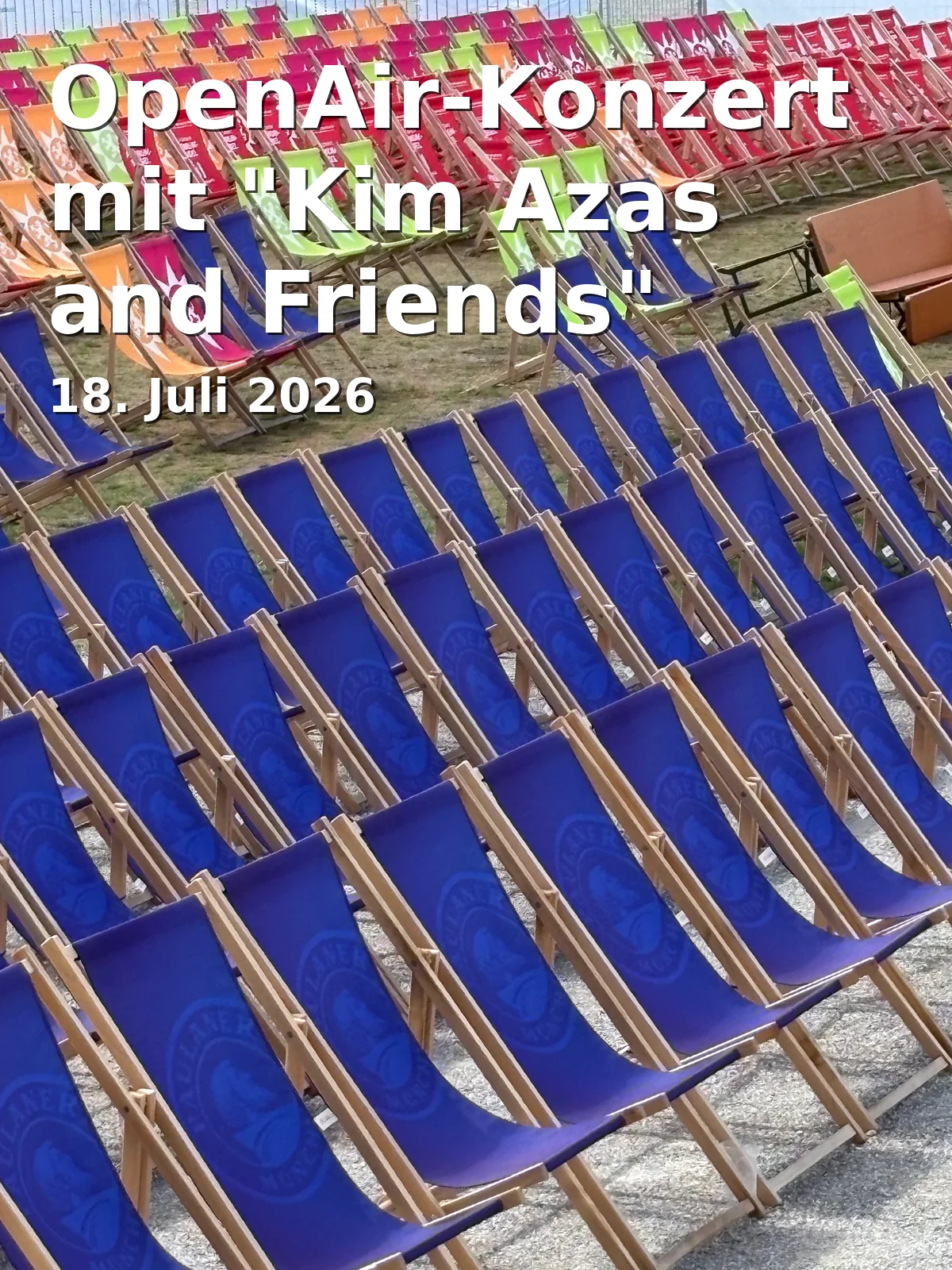
Open-Air Concert with "Kim Azas and Friends"
Enjoy Afro-Reggae and World Music in Landshut at an unforgettable Open-Air concert with Kim Azas & Friends.
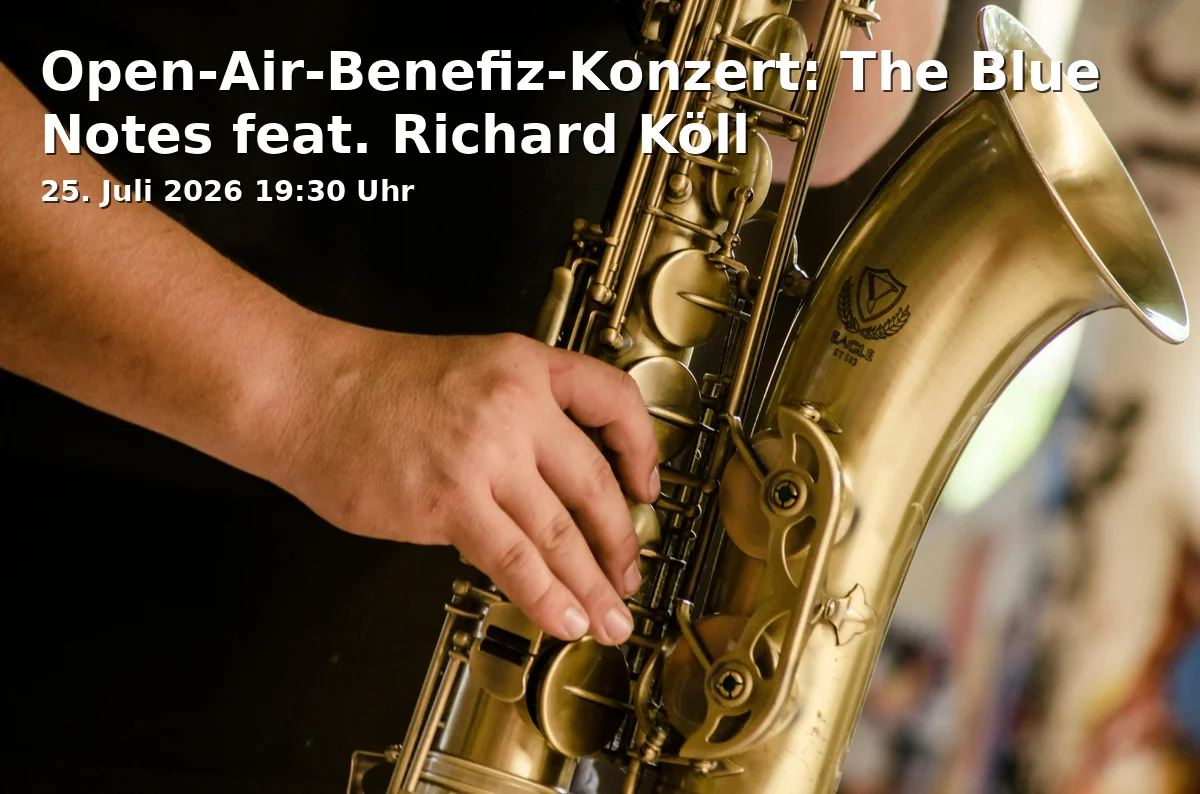
Open-Air Benefit Concert: The Blue Notes feat. Richard Köll
A summer evening filled with swing, jazz, and benefit: The Blue Notes feat. Richard Köll perform in Landshut. Live atmosphere, fine voices, special location. #LandshutJazz
Frequently Asked Questions
Reviews
Florian Käding
20. October 2020
Great intercultural events, especially live music, in a beautiful atmospheric environment.
Susanne Rommet
19. May 2024
Beautiful acoustic space for concerts, pretty little courtyard and affordable drinks.
Claudia Schöffmann
27. May 2024
Very beautiful little chapel. Very interesting.
Thomas Keller
13. August 2019
Best location for small spiritual concerts.
Michal Pick
9. August 2019
Nice place in an old church.