

Landshut
Innenstadtbereich, Landshut
City Center Landshut | City Center & Significance
Those looking for the City Center of Landshut generally mean not just a point on the map, but the vibrant heart of the city with its historic core, short distances, commerce, gastronomy, culture, and public life. The search terms related to city center, city area, city district, and definition show a clear informational intent: visitors want to understand what a city center actually entails and how to practically experience Landshut's center. The city of Landshut itself lists the area as its own location entry in 84028 Landshut; at the same time, the tourism and city website describes the old town as the defining heart of the city, where history, shopping, and urban life converge. ([landshut.de](https://landshut.de/node/459))
Landshut is a particularly exciting example because its historical identity is not confined to a museum but remains visible in everyday spaces. The elongated Gothic old town, the new town, the connecting alleys, the pedestrian zone, the town hall in the old town, and the immediate proximity to significant buildings make the city center a place where urban development can be experienced very directly. Therefore, those searching for proximity to the city center, parking, bus connections, attractions, or the significance of the term will find in Landshut not only theoretical answers but a coherent, well-structured city center with high quality of stay. ([erleben.landshut.de](https://erleben.landshut.de/))
What does city center and city area mean?
The term city center is broadly defined in urban and spatial planning. The Semantic Network Service of the Federal Environment Agency describes the city center as the city core or city and city edge, meaning the inner part of a city where historical buildings, central functions, and business centers cluster. The Federal Statistical Office additionally refers to central places as supply cores that take on tasks for the population and surrounding areas. For the search, this means: those entering city center generally expect not only a geographical location but also information on accessibility, usage, commerce, services, and public infrastructure. ([sns.uba.de](https://sns.uba.de/umthes/de/concepts/_00013452.html))
This understanding fits very well for Landshut because the city center there does not appear as an abstract administrative term but as a clearly experienceable urban space with a strong function in everyday life. The Landshut city center is a shopping location, meeting point, cultural space, and stage at the same time. This is shown by the retail development concept of the city: the city center has a wide mix of chain offerings and owner-operated specialty stores, with focuses on clothing, shoes, sports items, household goods, furniture, as well as optics, watches, and jewelry. Additionally, there are gastronomy, services, and public and cultural institutions that contribute to the liveliness, especially in the southern part of the old town and in the side streets. This is exactly what a classic city center means in terms of modern urban development. ([ris.landshut.de](https://ris.landshut.de/buergerinfo/getfile.php?id=110859&type=do))
From an SEO perspective, this definition is also important because the search intent behind the keywords clearly oscillates between two levels: on one hand, it is about the meaning of city center and city area, while on the other hand, it concerns concrete practical questions such as parking, access, or specific features of the place. This means for the Landshut page: a good description must explain the term as well as depict the spatial reality. The city center here is therefore not just a location but the dense, mixed, and historically shaped center of the city where living, working, shopping, and cultural use are spatially close together. ([sns.uba.de](https://sns.uba.de/umthes/de/concepts/_00013452.html))
Old Town, New Town, and Pedestrian Zone in Landshut
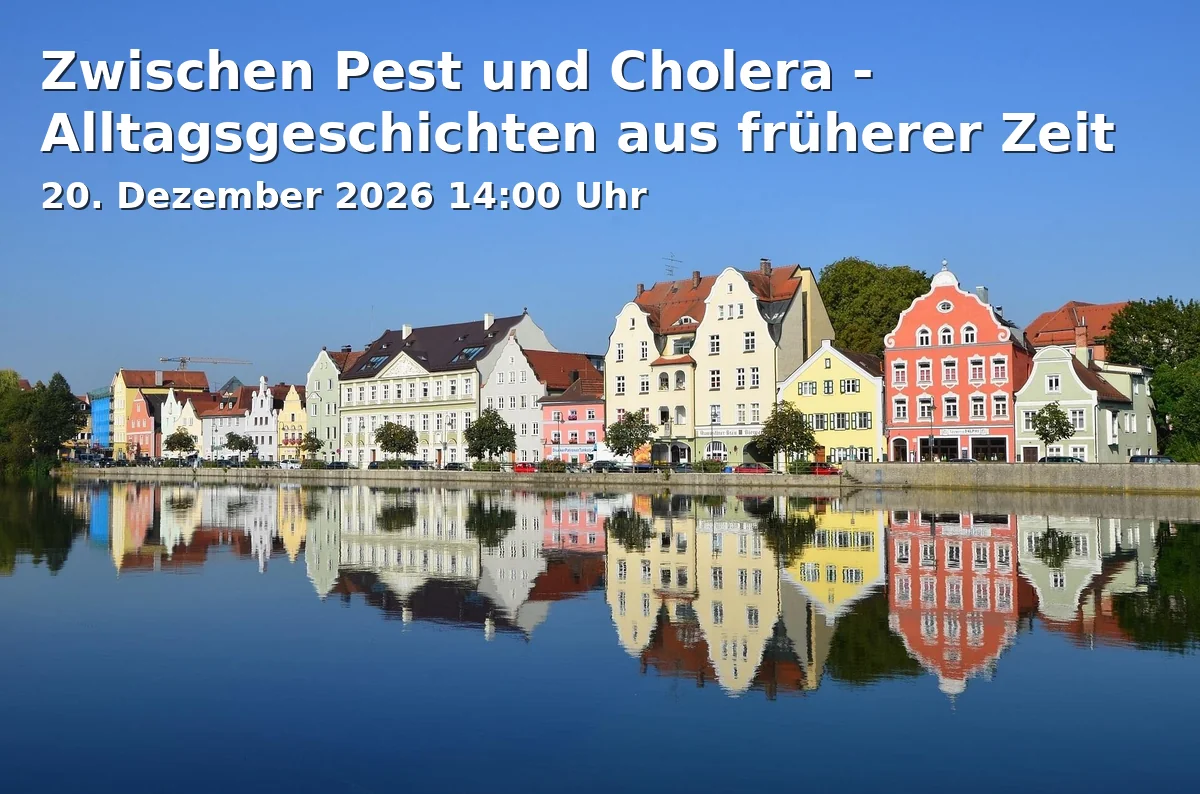
The city center of Landshut is primarily shaped by the historic old town and the new town. The city's tourism pages describe the old town as an elongated Gothic backdrop with magnificent colorful houses, cafés, bars, beer gardens, and restaurants. This impression already shows why Landshut is perceived as a city with a special atmosphere: the architecture is not just a background but part of the daily urban experience. At the same time, the city emphasizes the historical gable houses, decorative facades, arcades, and winding alleys that give the city center a very distinct character. ([erleben.landshut.de](https://erleben.landshut.de/))
It is particularly important to note that within the city center, the old town is designated as a pedestrian zone. The retail development concept also describes that, except for parts of adjacent streets, the entire city center is accessible by car. This combination of a pedestrian-friendly old town and accessible surroundings makes the city core attractive for visitors: one can stroll, shop, and attend events without completely sacrificing urban mobility. Additionally, the new town has been urbanistically designed within the framework of the city center redevelopment area to be more flexibly usable, with widened sidewalks, multifunctional areas, and a clear priority for pedestrians. ([ris.landshut.de](https://ris.landshut.de/buergerinfo/getfile.php?id=110859&type=do))
The city of Landshut has also consciously positioned the city center as a place of quality of stay. On the tourism pages, it is described as a shopping city with high experience quality: from relaxed strolls through individual specialty stores to culinary breaks in street cafés and beer gardens. This fits with a city center that impresses not only through function but also through atmosphere. When entering the Landshut city center, one experiences a mix of urban density, historical backdrop, and modern use. This very mix makes the term city center in Landshut so apt because it refers not to an anonymous district but to a strongly identity-forming urban space. ([landshut.de](https://landshut.de/wirtschaft/einkaufserlebnisstadt?utm_source=openai))
Access, Bus, and Parking in the City Center
A central topic in search queries is practical accessibility. Landshut is well positioned in this regard, as the city center is accessible from several directions. The retail development concept mentions, among others, the federal road B15, Zweibrückenstraße via Mühleninsel, Podewilsstraße, as well as Maximilianstraße and Innere Münchner Straße as important access routes. At the same time, the connection to public transport is strongly developed: almost all bus lines of the Landshut municipal utilities operate in the city center, and for the main traffic junction, an evening line and several stops in the old town and Ländtorplatz have even been described. ([ris.landshut.de](https://ris.landshut.de/buergerinfo/getfile.php?id=110859&type=do))
The tourist information in the historic town hall in the pedestrian zone Altstadt 315 is a good orientation anchor for visitors. The walk from the main train station takes about 25 minutes, and from the large parking lot Grieserwiese about 10 minutes. Additionally, lines 603 and 606 run every half hour from the main train station to the Altstadt stop; lines 602 and 609 also serve this stop. Lines 601, 602, and 604 go to Ländtorplatz, from there it is about a 5-minute walk to the historic town hall. Thus, the city center is easily accessible not only by car but also without a personal vehicle. ([erleben.landshut.de](https://erleben.landshut.de/tourismus/tourist-information/))
When it comes to parking, the city center shows a differentiated picture. The city and its tourism pages point out that there are good but limited parking options in the historic city center. Among others, the Altstadt/Zentrum parking garage with 270 spaces and a height clearance of 2.00 meters, the parking garage at Freyung with 184 spaces, and the large parking garage in the City Center Landshut with 370 underground parking spaces are mentioned. Additionally, there are short-term parking zones and further areas in the city center. For visitors, this means: the city relies on a dense network of parking garages, short-term offers, and pedestrian paths rather than a purely car-centric logic. This particularly strengthens the character of the city center as a compact, well-developed zone. ([erleben.landshut.de](https://erleben.landshut.de/wp-content/uploads/2025/07/Parken-in-Landshut_Monitor.pdf?utm_source=openai))
Attention has also been paid to the everyday needs of city visitors. The city’s notices mention, for example, free parking spaces, parking guidance systems, and additional areas such as Grieserwiese, Wittstraße, or Isargestade. During events, traffic management is adjusted, and additional parking spaces are opened. This way, the city center remains as practical as possible despite its historical structure and high usage. For orientation on-site, this is particularly important because the old town as a pedestrian zone, the adjacent streets as mixed areas, and the parking garages as buffer zones interact. Those who come with planning experience Landshut as an easily accessible center with a short distance between parking space, town hall, shopping, and attractions. ([ris.landshut.de](https://ris.landshut.de/buergerinfo/getfile.php?id=110859&type=do))
Shopping, Gastronomy, and Quality of Stay
The Landshut city center is not only historically interesting but also economically and practically very vibrant. The retail development concept describes an attractive mix of chain stores and owner-operated specialty shops. Particularly well represented are typical city center assortments such as clothing, shoes, sports, household goods, furniture, optics, watches, and jewelry. This structure is typical for a central urban area that fulfills its role not through large-scale retail parks but through diversity, proximity, and frequency. Especially in Landshut, this results in a compact city center that is easily accessible on foot and appeals to different target groups. ([ris.landshut.de](https://ris.landshut.de/buergerinfo/getfile.php?id=110859&type=do))
Additionally, there is the gastronomic aspect. The city describes the old town as a place with numerous cafés, bars, beer gardens, and restaurants that further enhance the quality of stay in summer with outdoor areas. This type of use is particularly important for the city center because it promotes duration of stay, encounters, and urban identity. Walking through the old town, one perceives the city not only as a shopping place but as a space where breaks, conversations, and movement complement each other. The City Center complements this image as a modern shopping center in close proximity to the historic old town, combining shopping with leisure and cinema under one roof. ([erleben.landshut.de](https://erleben.landshut.de/))
The Landshut city center is also closely associated with the idea of the city as a meeting point. The city website describes the old town not only as a shopping place but as a lively space for encounters and a piece of lived urban culture. This understanding is also relevant for search engines because users often search for such qualities with terms like city area, city center, or city district: Where can I stroll, sit, eat, shop, and orient myself? Landshut answers these questions with a historical backdrop, modern offerings, and a manageable urban space. The result is a city center that appears both authentic, functional, and attractive. ([landshut.de](https://landshut.de/wirtschaft/einkaufserlebnisstadt?utm_source=openai))
In everyday life, this is particularly evident in the small but decisive factors. Short distances between shops, gastronomy, and public facilities, good signage, parking garages at the edge, and a pedestrian zone in the core make the area suitable for both a city stroll and errands. The city center is thus not only a travel destination but also a supply center. Exactly in this dual function lies its strength: it is a place for the everyday and the special at the same time. For SEO and content, this means that words like city center, city area, city center, and strolling do not stand side by side but merge into a real usage unit in Landshut. ([destatis.de](https://www.destatis.de/DE/Themen/Gesellschaft-Umwelt/Wohnen/Glossar/zentralitaet.html))
Sights, Culture, and Events
The city center of Landshut benefits from an exceptionally dense landscape of culture and sights. Among the most famous landmarks are the St. Martin's Basilica and Trausnitz Castle. The St. Martin's Basilica is described as a late Gothic hall church with the highest brick tower in the world and is located on Kirchgasse or Altstadt. Trausnitz Castle towers over the Hofberg and offers historic halls, a castle chapel, and a wide view over the city. Together with the town hall, Heiliggeistkirche, Ländtor, and the historic facades of the old town, this forms a cityscape that shapes Landshut far beyond Lower Bavaria. ([landshut.de](https://landshut.de/node/1964?utm_source=openai))
The city’s tourist self-presentation also emphasizes the historical backdrop very clearly. Landshut is described as a place with the highest brick church tower in the world, with Gothic house facades, and with the character of a long open terrace. The city tour also points out that Landshut has over 800 years of history and has grown as a residence city of the Wittelsbach family. For visitors, this means: the city center is not just a backdrop but a concentrated expression of the city’s history. Those who are out and about here move between buildings that make the medieval origin as visible as the development into a modern shopping and cultural city. ([erleben.landshut.de](https://erleben.landshut.de/))
Events play a particularly large role in the city center. The Landshut Wedding of 1475 is described as the largest historical festival in Europe and will take place again in Landshut in 2027; it is closely linked to the preservation of the historic city center. Additionally, there are the old town festival, art and craft markets in the pedestrian zone, and the Advent city, where events and markets also take place in the old town. These events show that the city center is not only a place for normal daily operations but a stage for community, tradition, and seasonal highlights. ([erleben.landshut.de](https://erleben.landshut.de/news/landshuter-hochzeit-2027_plakat-und-programmvorstellung-termine/?utm_source=openai))
For the positioning of a location or a city area, this is crucial: sights, culture, and events create recognition. In Landshut, they are not distributed and interchangeable but visibly concentrate around the old town, new town, and their adjacent spaces. Added to this are tours, photo points, and city walks that deepen the perspective on the city center. Those who are out and about here with open eyes experience the city as a sequence of squares, sightlines, and historical reference points. This makes the city center of Landshut a place that functions strongly both touristically and locally. ([erleben.landshut.de](https://erleben.landshut.de/tourismus/selfiepoints/?utm_source=openai))
Sources:
- City of Landshut – Shopping Experience City ([landshut.de](https://landshut.de/wirtschaft/einkaufserlebnisstadt?utm_source=openai))
- Experience Landshut – Homepage ([erleben.landshut.de](https://erleben.landshut.de/))
- Experience Landshut – Tourist Information ([erleben.landshut.de](https://erleben.landshut.de/tourismus/tourist-information/))
- City of Landshut – Redevelopment Office ([landshut.de](https://landshut.de/leben/planen-bauen-wohnen/bauaufsicht/sanierungsstelle))
- City of Landshut – Retail Development Concept ([ris.landshut.de](https://ris.landshut.de/buergerinfo/getfile.php?id=110859&type=do))
- Experience Landshut – Parking Options and Parking in Landshut ([erleben.landshut.de](https://erleben.landshut.de/parkmoeglichkeiten-2/?utm_source=openai))
- Federal Environment Agency SNS – City Center ([sns.uba.de](https://sns.uba.de/umthes/de/concepts/_00013452.html))
- Federal Statistical Office – Centrality ([destatis.de](https://www.destatis.de/DE/Themen/Gesellschaft-Umwelt/Wohnen/Glossar/zentralitaet.html))
- City of Landshut – St. Martin's Basilica ([landshut.de](https://landshut.de/node/1964?utm_source=openai))
- Experience Landshut – Trausnitz Castle and Sights ([erleben.landshut.de](https://erleben.landshut.de/adressen/burg-trausnitz/?utm_source=openai))
- Experience Landshut – Landshut Wedding 2027 and Events ([erleben.landshut.de](https://erleben.landshut.de/news/landshuter-hochzeit-2027_plakat-und-programmvorstellung-termine/?utm_source=openai))
Mehr anzeigenWeniger anzeigen
City Center Landshut | City Center & Significance
Those looking for the City Center of Landshut generally mean not just a point on the map, but the vibrant heart of the city with its historic core, short distances, commerce, gastronomy, culture, and public life. The search terms related to city center, city area, city district, and definition show a clear informational intent: visitors want to understand what a city center actually entails and how to practically experience Landshut's center. The city of Landshut itself lists the area as its own location entry in 84028 Landshut; at the same time, the tourism and city website describes the old town as the defining heart of the city, where history, shopping, and urban life converge. ([landshut.de](https://landshut.de/node/459))
Landshut is a particularly exciting example because its historical identity is not confined to a museum but remains visible in everyday spaces. The elongated Gothic old town, the new town, the connecting alleys, the pedestrian zone, the town hall in the old town, and the immediate proximity to significant buildings make the city center a place where urban development can be experienced very directly. Therefore, those searching for proximity to the city center, parking, bus connections, attractions, or the significance of the term will find in Landshut not only theoretical answers but a coherent, well-structured city center with high quality of stay. ([erleben.landshut.de](https://erleben.landshut.de/))
What does city center and city area mean?
The term city center is broadly defined in urban and spatial planning. The Semantic Network Service of the Federal Environment Agency describes the city center as the city core or city and city edge, meaning the inner part of a city where historical buildings, central functions, and business centers cluster. The Federal Statistical Office additionally refers to central places as supply cores that take on tasks for the population and surrounding areas. For the search, this means: those entering city center generally expect not only a geographical location but also information on accessibility, usage, commerce, services, and public infrastructure. ([sns.uba.de](https://sns.uba.de/umthes/de/concepts/_00013452.html))
This understanding fits very well for Landshut because the city center there does not appear as an abstract administrative term but as a clearly experienceable urban space with a strong function in everyday life. The Landshut city center is a shopping location, meeting point, cultural space, and stage at the same time. This is shown by the retail development concept of the city: the city center has a wide mix of chain offerings and owner-operated specialty stores, with focuses on clothing, shoes, sports items, household goods, furniture, as well as optics, watches, and jewelry. Additionally, there are gastronomy, services, and public and cultural institutions that contribute to the liveliness, especially in the southern part of the old town and in the side streets. This is exactly what a classic city center means in terms of modern urban development. ([ris.landshut.de](https://ris.landshut.de/buergerinfo/getfile.php?id=110859&type=do))
From an SEO perspective, this definition is also important because the search intent behind the keywords clearly oscillates between two levels: on one hand, it is about the meaning of city center and city area, while on the other hand, it concerns concrete practical questions such as parking, access, or specific features of the place. This means for the Landshut page: a good description must explain the term as well as depict the spatial reality. The city center here is therefore not just a location but the dense, mixed, and historically shaped center of the city where living, working, shopping, and cultural use are spatially close together. ([sns.uba.de](https://sns.uba.de/umthes/de/concepts/_00013452.html))
Old Town, New Town, and Pedestrian Zone in Landshut
The city center of Landshut is primarily shaped by the historic old town and the new town. The city's tourism pages describe the old town as an elongated Gothic backdrop with magnificent colorful houses, cafés, bars, beer gardens, and restaurants. This impression already shows why Landshut is perceived as a city with a special atmosphere: the architecture is not just a background but part of the daily urban experience. At the same time, the city emphasizes the historical gable houses, decorative facades, arcades, and winding alleys that give the city center a very distinct character. ([erleben.landshut.de](https://erleben.landshut.de/))
It is particularly important to note that within the city center, the old town is designated as a pedestrian zone. The retail development concept also describes that, except for parts of adjacent streets, the entire city center is accessible by car. This combination of a pedestrian-friendly old town and accessible surroundings makes the city core attractive for visitors: one can stroll, shop, and attend events without completely sacrificing urban mobility. Additionally, the new town has been urbanistically designed within the framework of the city center redevelopment area to be more flexibly usable, with widened sidewalks, multifunctional areas, and a clear priority for pedestrians. ([ris.landshut.de](https://ris.landshut.de/buergerinfo/getfile.php?id=110859&type=do))
The city of Landshut has also consciously positioned the city center as a place of quality of stay. On the tourism pages, it is described as a shopping city with high experience quality: from relaxed strolls through individual specialty stores to culinary breaks in street cafés and beer gardens. This fits with a city center that impresses not only through function but also through atmosphere. When entering the Landshut city center, one experiences a mix of urban density, historical backdrop, and modern use. This very mix makes the term city center in Landshut so apt because it refers not to an anonymous district but to a strongly identity-forming urban space. ([landshut.de](https://landshut.de/wirtschaft/einkaufserlebnisstadt?utm_source=openai))
Access, Bus, and Parking in the City Center
A central topic in search queries is practical accessibility. Landshut is well positioned in this regard, as the city center is accessible from several directions. The retail development concept mentions, among others, the federal road B15, Zweibrückenstraße via Mühleninsel, Podewilsstraße, as well as Maximilianstraße and Innere Münchner Straße as important access routes. At the same time, the connection to public transport is strongly developed: almost all bus lines of the Landshut municipal utilities operate in the city center, and for the main traffic junction, an evening line and several stops in the old town and Ländtorplatz have even been described. ([ris.landshut.de](https://ris.landshut.de/buergerinfo/getfile.php?id=110859&type=do))
The tourist information in the historic town hall in the pedestrian zone Altstadt 315 is a good orientation anchor for visitors. The walk from the main train station takes about 25 minutes, and from the large parking lot Grieserwiese about 10 minutes. Additionally, lines 603 and 606 run every half hour from the main train station to the Altstadt stop; lines 602 and 609 also serve this stop. Lines 601, 602, and 604 go to Ländtorplatz, from there it is about a 5-minute walk to the historic town hall. Thus, the city center is easily accessible not only by car but also without a personal vehicle. ([erleben.landshut.de](https://erleben.landshut.de/tourismus/tourist-information/))
When it comes to parking, the city center shows a differentiated picture. The city and its tourism pages point out that there are good but limited parking options in the historic city center. Among others, the Altstadt/Zentrum parking garage with 270 spaces and a height clearance of 2.00 meters, the parking garage at Freyung with 184 spaces, and the large parking garage in the City Center Landshut with 370 underground parking spaces are mentioned. Additionally, there are short-term parking zones and further areas in the city center. For visitors, this means: the city relies on a dense network of parking garages, short-term offers, and pedestrian paths rather than a purely car-centric logic. This particularly strengthens the character of the city center as a compact, well-developed zone. ([erleben.landshut.de](https://erleben.landshut.de/wp-content/uploads/2025/07/Parken-in-Landshut_Monitor.pdf?utm_source=openai))
Attention has also been paid to the everyday needs of city visitors. The city’s notices mention, for example, free parking spaces, parking guidance systems, and additional areas such as Grieserwiese, Wittstraße, or Isargestade. During events, traffic management is adjusted, and additional parking spaces are opened. This way, the city center remains as practical as possible despite its historical structure and high usage. For orientation on-site, this is particularly important because the old town as a pedestrian zone, the adjacent streets as mixed areas, and the parking garages as buffer zones interact. Those who come with planning experience Landshut as an easily accessible center with a short distance between parking space, town hall, shopping, and attractions. ([ris.landshut.de](https://ris.landshut.de/buergerinfo/getfile.php?id=110859&type=do))
Shopping, Gastronomy, and Quality of Stay
The Landshut city center is not only historically interesting but also economically and practically very vibrant. The retail development concept describes an attractive mix of chain stores and owner-operated specialty shops. Particularly well represented are typical city center assortments such as clothing, shoes, sports, household goods, furniture, optics, watches, and jewelry. This structure is typical for a central urban area that fulfills its role not through large-scale retail parks but through diversity, proximity, and frequency. Especially in Landshut, this results in a compact city center that is easily accessible on foot and appeals to different target groups. ([ris.landshut.de](https://ris.landshut.de/buergerinfo/getfile.php?id=110859&type=do))
Additionally, there is the gastronomic aspect. The city describes the old town as a place with numerous cafés, bars, beer gardens, and restaurants that further enhance the quality of stay in summer with outdoor areas. This type of use is particularly important for the city center because it promotes duration of stay, encounters, and urban identity. Walking through the old town, one perceives the city not only as a shopping place but as a space where breaks, conversations, and movement complement each other. The City Center complements this image as a modern shopping center in close proximity to the historic old town, combining shopping with leisure and cinema under one roof. ([erleben.landshut.de](https://erleben.landshut.de/))
The Landshut city center is also closely associated with the idea of the city as a meeting point. The city website describes the old town not only as a shopping place but as a lively space for encounters and a piece of lived urban culture. This understanding is also relevant for search engines because users often search for such qualities with terms like city area, city center, or city district: Where can I stroll, sit, eat, shop, and orient myself? Landshut answers these questions with a historical backdrop, modern offerings, and a manageable urban space. The result is a city center that appears both authentic, functional, and attractive. ([landshut.de](https://landshut.de/wirtschaft/einkaufserlebnisstadt?utm_source=openai))
In everyday life, this is particularly evident in the small but decisive factors. Short distances between shops, gastronomy, and public facilities, good signage, parking garages at the edge, and a pedestrian zone in the core make the area suitable for both a city stroll and errands. The city center is thus not only a travel destination but also a supply center. Exactly in this dual function lies its strength: it is a place for the everyday and the special at the same time. For SEO and content, this means that words like city center, city area, city center, and strolling do not stand side by side but merge into a real usage unit in Landshut. ([destatis.de](https://www.destatis.de/DE/Themen/Gesellschaft-Umwelt/Wohnen/Glossar/zentralitaet.html))
Sights, Culture, and Events
The city center of Landshut benefits from an exceptionally dense landscape of culture and sights. Among the most famous landmarks are the St. Martin's Basilica and Trausnitz Castle. The St. Martin's Basilica is described as a late Gothic hall church with the highest brick tower in the world and is located on Kirchgasse or Altstadt. Trausnitz Castle towers over the Hofberg and offers historic halls, a castle chapel, and a wide view over the city. Together with the town hall, Heiliggeistkirche, Ländtor, and the historic facades of the old town, this forms a cityscape that shapes Landshut far beyond Lower Bavaria. ([landshut.de](https://landshut.de/node/1964?utm_source=openai))
The city’s tourist self-presentation also emphasizes the historical backdrop very clearly. Landshut is described as a place with the highest brick church tower in the world, with Gothic house facades, and with the character of a long open terrace. The city tour also points out that Landshut has over 800 years of history and has grown as a residence city of the Wittelsbach family. For visitors, this means: the city center is not just a backdrop but a concentrated expression of the city’s history. Those who are out and about here move between buildings that make the medieval origin as visible as the development into a modern shopping and cultural city. ([erleben.landshut.de](https://erleben.landshut.de/))
Events play a particularly large role in the city center. The Landshut Wedding of 1475 is described as the largest historical festival in Europe and will take place again in Landshut in 2027; it is closely linked to the preservation of the historic city center. Additionally, there are the old town festival, art and craft markets in the pedestrian zone, and the Advent city, where events and markets also take place in the old town. These events show that the city center is not only a place for normal daily operations but a stage for community, tradition, and seasonal highlights. ([erleben.landshut.de](https://erleben.landshut.de/news/landshuter-hochzeit-2027_plakat-und-programmvorstellung-termine/?utm_source=openai))
For the positioning of a location or a city area, this is crucial: sights, culture, and events create recognition. In Landshut, they are not distributed and interchangeable but visibly concentrate around the old town, new town, and their adjacent spaces. Added to this are tours, photo points, and city walks that deepen the perspective on the city center. Those who are out and about here with open eyes experience the city as a sequence of squares, sightlines, and historical reference points. This makes the city center of Landshut a place that functions strongly both touristically and locally. ([erleben.landshut.de](https://erleben.landshut.de/tourismus/selfiepoints/?utm_source=openai))
Sources:
- City of Landshut – Shopping Experience City ([landshut.de](https://landshut.de/wirtschaft/einkaufserlebnisstadt?utm_source=openai))
- Experience Landshut – Homepage ([erleben.landshut.de](https://erleben.landshut.de/))
- Experience Landshut – Tourist Information ([erleben.landshut.de](https://erleben.landshut.de/tourismus/tourist-information/))
- City of Landshut – Redevelopment Office ([landshut.de](https://landshut.de/leben/planen-bauen-wohnen/bauaufsicht/sanierungsstelle))
- City of Landshut – Retail Development Concept ([ris.landshut.de](https://ris.landshut.de/buergerinfo/getfile.php?id=110859&type=do))
- Experience Landshut – Parking Options and Parking in Landshut ([erleben.landshut.de](https://erleben.landshut.de/parkmoeglichkeiten-2/?utm_source=openai))
- Federal Environment Agency SNS – City Center ([sns.uba.de](https://sns.uba.de/umthes/de/concepts/_00013452.html))
- Federal Statistical Office – Centrality ([destatis.de](https://www.destatis.de/DE/Themen/Gesellschaft-Umwelt/Wohnen/Glossar/zentralitaet.html))
- City of Landshut – St. Martin's Basilica ([landshut.de](https://landshut.de/node/1964?utm_source=openai))
- Experience Landshut – Trausnitz Castle and Sights ([erleben.landshut.de](https://erleben.landshut.de/adressen/burg-trausnitz/?utm_source=openai))
- Experience Landshut – Landshut Wedding 2027 and Events ([erleben.landshut.de](https://erleben.landshut.de/news/landshuter-hochzeit-2027_plakat-und-programmvorstellung-termine/?utm_source=openai))
City Center Landshut | City Center & Significance
Those looking for the City Center of Landshut generally mean not just a point on the map, but the vibrant heart of the city with its historic core, short distances, commerce, gastronomy, culture, and public life. The search terms related to city center, city area, city district, and definition show a clear informational intent: visitors want to understand what a city center actually entails and how to practically experience Landshut's center. The city of Landshut itself lists the area as its own location entry in 84028 Landshut; at the same time, the tourism and city website describes the old town as the defining heart of the city, where history, shopping, and urban life converge. ([landshut.de](https://landshut.de/node/459))
Landshut is a particularly exciting example because its historical identity is not confined to a museum but remains visible in everyday spaces. The elongated Gothic old town, the new town, the connecting alleys, the pedestrian zone, the town hall in the old town, and the immediate proximity to significant buildings make the city center a place where urban development can be experienced very directly. Therefore, those searching for proximity to the city center, parking, bus connections, attractions, or the significance of the term will find in Landshut not only theoretical answers but a coherent, well-structured city center with high quality of stay. ([erleben.landshut.de](https://erleben.landshut.de/))
What does city center and city area mean?
The term city center is broadly defined in urban and spatial planning. The Semantic Network Service of the Federal Environment Agency describes the city center as the city core or city and city edge, meaning the inner part of a city where historical buildings, central functions, and business centers cluster. The Federal Statistical Office additionally refers to central places as supply cores that take on tasks for the population and surrounding areas. For the search, this means: those entering city center generally expect not only a geographical location but also information on accessibility, usage, commerce, services, and public infrastructure. ([sns.uba.de](https://sns.uba.de/umthes/de/concepts/_00013452.html))
This understanding fits very well for Landshut because the city center there does not appear as an abstract administrative term but as a clearly experienceable urban space with a strong function in everyday life. The Landshut city center is a shopping location, meeting point, cultural space, and stage at the same time. This is shown by the retail development concept of the city: the city center has a wide mix of chain offerings and owner-operated specialty stores, with focuses on clothing, shoes, sports items, household goods, furniture, as well as optics, watches, and jewelry. Additionally, there are gastronomy, services, and public and cultural institutions that contribute to the liveliness, especially in the southern part of the old town and in the side streets. This is exactly what a classic city center means in terms of modern urban development. ([ris.landshut.de](https://ris.landshut.de/buergerinfo/getfile.php?id=110859&type=do))
From an SEO perspective, this definition is also important because the search intent behind the keywords clearly oscillates between two levels: on one hand, it is about the meaning of city center and city area, while on the other hand, it concerns concrete practical questions such as parking, access, or specific features of the place. This means for the Landshut page: a good description must explain the term as well as depict the spatial reality. The city center here is therefore not just a location but the dense, mixed, and historically shaped center of the city where living, working, shopping, and cultural use are spatially close together. ([sns.uba.de](https://sns.uba.de/umthes/de/concepts/_00013452.html))
Old Town, New Town, and Pedestrian Zone in Landshut
The city center of Landshut is primarily shaped by the historic old town and the new town. The city's tourism pages describe the old town as an elongated Gothic backdrop with magnificent colorful houses, cafés, bars, beer gardens, and restaurants. This impression already shows why Landshut is perceived as a city with a special atmosphere: the architecture is not just a background but part of the daily urban experience. At the same time, the city emphasizes the historical gable houses, decorative facades, arcades, and winding alleys that give the city center a very distinct character. ([erleben.landshut.de](https://erleben.landshut.de/))
It is particularly important to note that within the city center, the old town is designated as a pedestrian zone. The retail development concept also describes that, except for parts of adjacent streets, the entire city center is accessible by car. This combination of a pedestrian-friendly old town and accessible surroundings makes the city core attractive for visitors: one can stroll, shop, and attend events without completely sacrificing urban mobility. Additionally, the new town has been urbanistically designed within the framework of the city center redevelopment area to be more flexibly usable, with widened sidewalks, multifunctional areas, and a clear priority for pedestrians. ([ris.landshut.de](https://ris.landshut.de/buergerinfo/getfile.php?id=110859&type=do))
The city of Landshut has also consciously positioned the city center as a place of quality of stay. On the tourism pages, it is described as a shopping city with high experience quality: from relaxed strolls through individual specialty stores to culinary breaks in street cafés and beer gardens. This fits with a city center that impresses not only through function but also through atmosphere. When entering the Landshut city center, one experiences a mix of urban density, historical backdrop, and modern use. This very mix makes the term city center in Landshut so apt because it refers not to an anonymous district but to a strongly identity-forming urban space. ([landshut.de](https://landshut.de/wirtschaft/einkaufserlebnisstadt?utm_source=openai))
Access, Bus, and Parking in the City Center
A central topic in search queries is practical accessibility. Landshut is well positioned in this regard, as the city center is accessible from several directions. The retail development concept mentions, among others, the federal road B15, Zweibrückenstraße via Mühleninsel, Podewilsstraße, as well as Maximilianstraße and Innere Münchner Straße as important access routes. At the same time, the connection to public transport is strongly developed: almost all bus lines of the Landshut municipal utilities operate in the city center, and for the main traffic junction, an evening line and several stops in the old town and Ländtorplatz have even been described. ([ris.landshut.de](https://ris.landshut.de/buergerinfo/getfile.php?id=110859&type=do))
The tourist information in the historic town hall in the pedestrian zone Altstadt 315 is a good orientation anchor for visitors. The walk from the main train station takes about 25 minutes, and from the large parking lot Grieserwiese about 10 minutes. Additionally, lines 603 and 606 run every half hour from the main train station to the Altstadt stop; lines 602 and 609 also serve this stop. Lines 601, 602, and 604 go to Ländtorplatz, from there it is about a 5-minute walk to the historic town hall. Thus, the city center is easily accessible not only by car but also without a personal vehicle. ([erleben.landshut.de](https://erleben.landshut.de/tourismus/tourist-information/))
When it comes to parking, the city center shows a differentiated picture. The city and its tourism pages point out that there are good but limited parking options in the historic city center. Among others, the Altstadt/Zentrum parking garage with 270 spaces and a height clearance of 2.00 meters, the parking garage at Freyung with 184 spaces, and the large parking garage in the City Center Landshut with 370 underground parking spaces are mentioned. Additionally, there are short-term parking zones and further areas in the city center. For visitors, this means: the city relies on a dense network of parking garages, short-term offers, and pedestrian paths rather than a purely car-centric logic. This particularly strengthens the character of the city center as a compact, well-developed zone. ([erleben.landshut.de](https://erleben.landshut.de/wp-content/uploads/2025/07/Parken-in-Landshut_Monitor.pdf?utm_source=openai))
Attention has also been paid to the everyday needs of city visitors. The city’s notices mention, for example, free parking spaces, parking guidance systems, and additional areas such as Grieserwiese, Wittstraße, or Isargestade. During events, traffic management is adjusted, and additional parking spaces are opened. This way, the city center remains as practical as possible despite its historical structure and high usage. For orientation on-site, this is particularly important because the old town as a pedestrian zone, the adjacent streets as mixed areas, and the parking garages as buffer zones interact. Those who come with planning experience Landshut as an easily accessible center with a short distance between parking space, town hall, shopping, and attractions. ([ris.landshut.de](https://ris.landshut.de/buergerinfo/getfile.php?id=110859&type=do))
Shopping, Gastronomy, and Quality of Stay
The Landshut city center is not only historically interesting but also economically and practically very vibrant. The retail development concept describes an attractive mix of chain stores and owner-operated specialty shops. Particularly well represented are typical city center assortments such as clothing, shoes, sports, household goods, furniture, optics, watches, and jewelry. This structure is typical for a central urban area that fulfills its role not through large-scale retail parks but through diversity, proximity, and frequency. Especially in Landshut, this results in a compact city center that is easily accessible on foot and appeals to different target groups. ([ris.landshut.de](https://ris.landshut.de/buergerinfo/getfile.php?id=110859&type=do))
Additionally, there is the gastronomic aspect. The city describes the old town as a place with numerous cafés, bars, beer gardens, and restaurants that further enhance the quality of stay in summer with outdoor areas. This type of use is particularly important for the city center because it promotes duration of stay, encounters, and urban identity. Walking through the old town, one perceives the city not only as a shopping place but as a space where breaks, conversations, and movement complement each other. The City Center complements this image as a modern shopping center in close proximity to the historic old town, combining shopping with leisure and cinema under one roof. ([erleben.landshut.de](https://erleben.landshut.de/))
The Landshut city center is also closely associated with the idea of the city as a meeting point. The city website describes the old town not only as a shopping place but as a lively space for encounters and a piece of lived urban culture. This understanding is also relevant for search engines because users often search for such qualities with terms like city area, city center, or city district: Where can I stroll, sit, eat, shop, and orient myself? Landshut answers these questions with a historical backdrop, modern offerings, and a manageable urban space. The result is a city center that appears both authentic, functional, and attractive. ([landshut.de](https://landshut.de/wirtschaft/einkaufserlebnisstadt?utm_source=openai))
In everyday life, this is particularly evident in the small but decisive factors. Short distances between shops, gastronomy, and public facilities, good signage, parking garages at the edge, and a pedestrian zone in the core make the area suitable for both a city stroll and errands. The city center is thus not only a travel destination but also a supply center. Exactly in this dual function lies its strength: it is a place for the everyday and the special at the same time. For SEO and content, this means that words like city center, city area, city center, and strolling do not stand side by side but merge into a real usage unit in Landshut. ([destatis.de](https://www.destatis.de/DE/Themen/Gesellschaft-Umwelt/Wohnen/Glossar/zentralitaet.html))
Sights, Culture, and Events
The city center of Landshut benefits from an exceptionally dense landscape of culture and sights. Among the most famous landmarks are the St. Martin's Basilica and Trausnitz Castle. The St. Martin's Basilica is described as a late Gothic hall church with the highest brick tower in the world and is located on Kirchgasse or Altstadt. Trausnitz Castle towers over the Hofberg and offers historic halls, a castle chapel, and a wide view over the city. Together with the town hall, Heiliggeistkirche, Ländtor, and the historic facades of the old town, this forms a cityscape that shapes Landshut far beyond Lower Bavaria. ([landshut.de](https://landshut.de/node/1964?utm_source=openai))
The city’s tourist self-presentation also emphasizes the historical backdrop very clearly. Landshut is described as a place with the highest brick church tower in the world, with Gothic house facades, and with the character of a long open terrace. The city tour also points out that Landshut has over 800 years of history and has grown as a residence city of the Wittelsbach family. For visitors, this means: the city center is not just a backdrop but a concentrated expression of the city’s history. Those who are out and about here move between buildings that make the medieval origin as visible as the development into a modern shopping and cultural city. ([erleben.landshut.de](https://erleben.landshut.de/))
Events play a particularly large role in the city center. The Landshut Wedding of 1475 is described as the largest historical festival in Europe and will take place again in Landshut in 2027; it is closely linked to the preservation of the historic city center. Additionally, there are the old town festival, art and craft markets in the pedestrian zone, and the Advent city, where events and markets also take place in the old town. These events show that the city center is not only a place for normal daily operations but a stage for community, tradition, and seasonal highlights. ([erleben.landshut.de](https://erleben.landshut.de/news/landshuter-hochzeit-2027_plakat-und-programmvorstellung-termine/?utm_source=openai))
For the positioning of a location or a city area, this is crucial: sights, culture, and events create recognition. In Landshut, they are not distributed and interchangeable but visibly concentrate around the old town, new town, and their adjacent spaces. Added to this are tours, photo points, and city walks that deepen the perspective on the city center. Those who are out and about here with open eyes experience the city as a sequence of squares, sightlines, and historical reference points. This makes the city center of Landshut a place that functions strongly both touristically and locally. ([erleben.landshut.de](https://erleben.landshut.de/tourismus/selfiepoints/?utm_source=openai))
Sources:
- City of Landshut – Shopping Experience City ([landshut.de](https://landshut.de/wirtschaft/einkaufserlebnisstadt?utm_source=openai))
- Experience Landshut – Homepage ([erleben.landshut.de](https://erleben.landshut.de/))
- Experience Landshut – Tourist Information ([erleben.landshut.de](https://erleben.landshut.de/tourismus/tourist-information/))
- City of Landshut – Redevelopment Office ([landshut.de](https://landshut.de/leben/planen-bauen-wohnen/bauaufsicht/sanierungsstelle))
- City of Landshut – Retail Development Concept ([ris.landshut.de](https://ris.landshut.de/buergerinfo/getfile.php?id=110859&type=do))
- Experience Landshut – Parking Options and Parking in Landshut ([erleben.landshut.de](https://erleben.landshut.de/parkmoeglichkeiten-2/?utm_source=openai))
- Federal Environment Agency SNS – City Center ([sns.uba.de](https://sns.uba.de/umthes/de/concepts/_00013452.html))
- Federal Statistical Office – Centrality ([destatis.de](https://www.destatis.de/DE/Themen/Gesellschaft-Umwelt/Wohnen/Glossar/zentralitaet.html))
- City of Landshut – St. Martin's Basilica ([landshut.de](https://landshut.de/node/1964?utm_source=openai))
- Experience Landshut – Trausnitz Castle and Sights ([erleben.landshut.de](https://erleben.landshut.de/adressen/burg-trausnitz/?utm_source=openai))
- Experience Landshut – Landshut Wedding 2027 and Events ([erleben.landshut.de](https://erleben.landshut.de/news/landshuter-hochzeit-2027_plakat-und-programmvorstellung-termine/?utm_source=openai))
Frequently Asked Questions
Reviews
No reviews found