
Robin Alexander
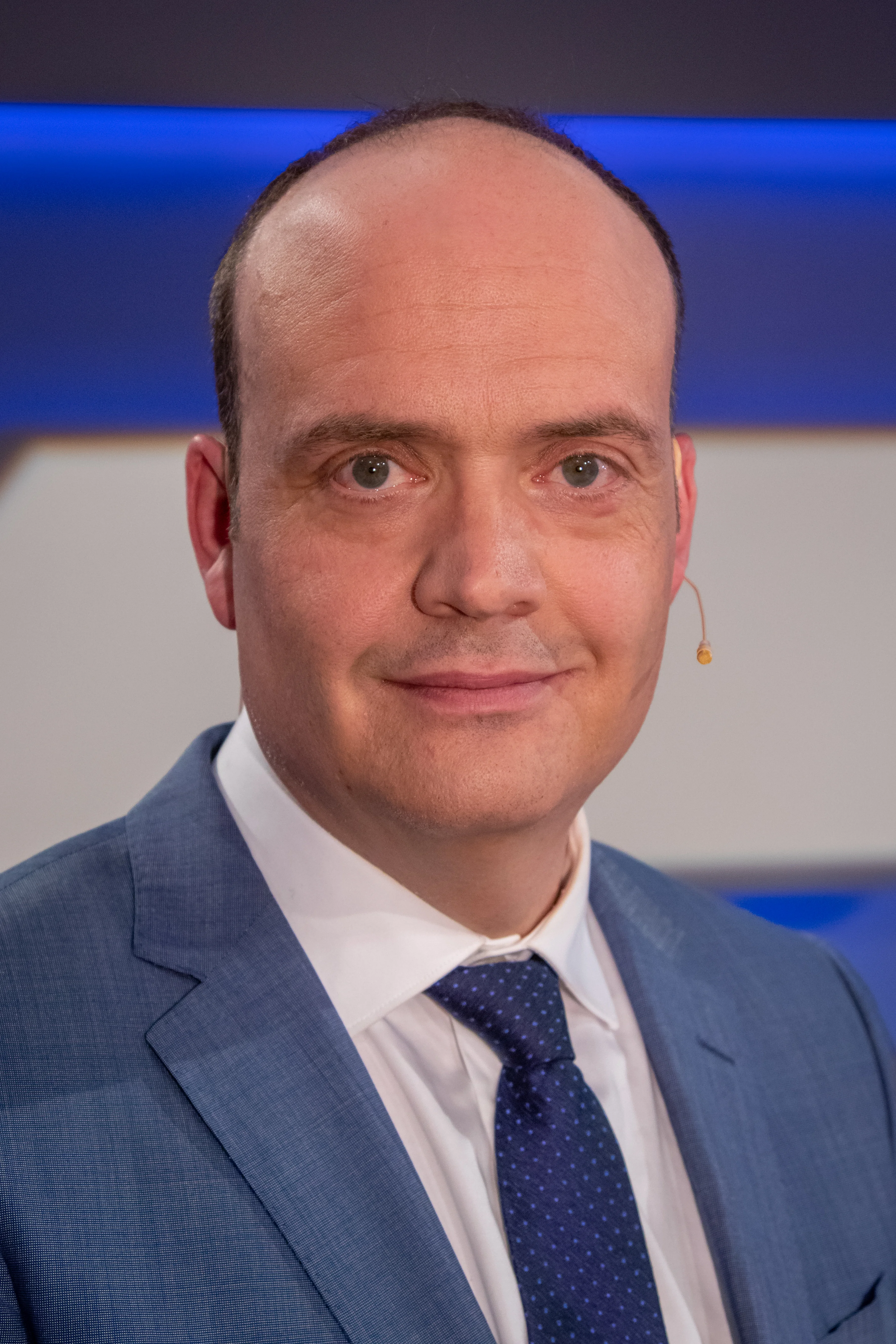
Image from Wikipedia
Image from Wikipedia
Robin Alexander – Political Journalist, Author and Podcaster
Between Power Backrooms and Public Life: How Robin Alexander Narratively Decodes Germany's Politics
Robin Alexander, born on May 13, 1975, in Essen, has been one of the defining voices of German political journalism for years. As a reporter, author, and podcaster, he combines precise research with narrative depth, making complex political processes understandable for a broad audience. He sharpened his journalistic profile in the editorial offices of taz, Vanity Fair, and WELT; his books became bestsellers, and his podcast "Machtwechsel" has become a critical reference point in political debate. This extensive artist and author biography traces his artistic development in a journalistic sense – from his first reports to his most recent publications.
Early Years and Education: Foundation for a Career in Wordsmithing
His childhood and youth in the Ruhr area, a degree in history and journalism in Leipzig, and an internship at taz laid the groundwork: recognizing news value, verifying sources, structuring perspectives. Starting in 2001, Alexander worked as a reporter and editor, learned the mechanics of political communication in daily operations, and developed his distinctive language – pointed, vivid, and close to the subjects. This artistic development in the medium of text set the stage for later long-form works, where the composition and arrangement of complex facts carry the drama.
Rise to Political Reporter: Stage Presence in Print, Online, and TV
With his transition to the WELT Group in 2008, the Chancellery and the Union parties came into focus. Alexander accompanied the Berlin Republic through legislative periods, documenting coalition formats, personnel changes, and strategic debates. He published analyses and reports that function like a narrative “score” through dramatic density: exposition, turning point, culmination – all based on verifiable facts. For his work, he received recognition in media and politics; his name is now synonymous with a precise tonal quality between observation and explanation.
Experience in Editorial Leadership: Authority Through Editorial Responsibility (2019–2025)
From 2019 to 2025, Robin Alexander served as deputy editor-in-chief of the daily newspaper WELT. This position marked a phase of increased authority: editorial strategy, quality control, tailoring formats and topics. His stage presence expanded from text to moderating debates in TV appearances and live formats. This responsibility sharpened his understanding of production – in the journalistic sense: topic identification, source mix, fact-checking, timing. Thus emerged journalism that resonates both with current events and stands the test of time in book form.
"Machtwechsel" – The Podcast as an Auditory Space for Political Narrative
Since May 2021, Robin Alexander has been co-publishing the political podcast "Machtwechsel" with Dagmar Rosenfeld. Here, his artistic development in auditory storytelling becomes apparent: interviews, condensation of background knowledge, and a stringent arrangement of arguments. The podcast has established itself as a serious format for long-term analysis – with elements familiar from music: a recognizable theme, variations, rhythmic pauses. By the end of 2025, "Machtwechsel" transitioned to independent operation – a move that strengthens the editorial signature and deepens the trust relationship with the audience.
Books as Longform Compositions: Discography of Political Contemporary History
Alexander's books function like studio albums in journalism: they pool material, sharpen motifs, and deliver sustainable hooks in the form of scenes and quotes. "Die Getriebenen" (2017) dissects the dynamics of refugee policy and became a bestseller; "Machtverfall" (2021) documents the last years of the Merkel era with analytical precision. In 2025, "Letzte Chance – Der neue Kanzler und der Kampf um die Demokratie" followed: A work that links the tectonic shifts of the party landscape with the strategic communication of political actors through dense reportage. Each publication showcases Alexander's expertise: a composition of documents, protocols, and confidential conversations, paired with narrative economy.
Style and Method: Arrangement, Production, Dramaturgy
Alexander's style combines tempo and structure. His composition begins with a clear guiding question, leads through precise transitions, and concludes with a final twist that condenses the gain in insight. In production, he relies on the polyphony of sources and verified information. In arrangement, he intertwines close scenes with macro perspectives, making politics an experiential human action. This narrative dramaturgy generates a stage presence of the material: decisions gain rhythm, debates acquire timbre, and conflicts develop counterpoints.
Critical Reception: Authority Through Evidence and Resonance
The response to his books and the podcast attests to the authority of his work. Critics emphasize the dense research, precise storytelling, and the ability to reveal power processes beyond official terminology. The media framing also acknowledges his sensitivity to timing and form: with the right motif at the right time, he fits together puzzle pieces into a complete picture that convinces both specialized audiences and the general public. This reception supports the EEAT pillars: experience in political reporting, expertise on actor networks, authority through reception, and trustworthiness through source reliability.
Current Projects 2024–2025: Publications, Independence, Live Discourse
2025 marks a peak in the long-form segment with "Letzte Chance". Simultaneously, "Machtwechsel" evolved into an independent brand with regular episodes and in-depth analyses. Live conversations, readings, and discourse formats expand his presence beyond the editorial office: the stage is the hall, the studio, the digital platform – everywhere the public wants to follow political decisions. This again shifts the professional image: from reporter to author, from author to producer – always driven by verifiable facts.
Positioning in Media History: Documentation as Cultural Value
Alexander's work demonstrates how political journalism becomes cultural memory. His long forms function as historical recordings of an era: they preserve depth, voices, and protocols. In a time of accelerated information, this work creates durability. In musical journalism analogy, one might say: where the news feed delivers individual measures, the reportage composes the entire sentence – with intros, reprises, and coda. This approach imparts cultural value to current politics and makes the texts relevant for future research.
Working Method and Ethos: Trustworthiness as a Production Maxim
Transparent source management, clear separation of news and commentary, and the willingness to tolerate ambiguities shape Alexander's work ethic. Trustworthiness arises from traceability: quotes, documents, eyewitness accounts that carry the narrative at crucial points. The result is a journalistic quality that operates equally in editorial routine, book production, and podcast – a consistent sonic aesthetic of the factual.
Impact on Public and Discourse: Connectivity Instead of Alarmism
The "stage presence" of his texts and appearances creates an effect without alarmism: clear stance but no sensationalism; intensification but no distortion. Thus, connectivity arises – for people who want to understand political processes and for decision-makers who need reflective feedback and counterargument. This effect derives not from proximity to power but from distance and curiosity. The audience gains orientation; the actors receive feedback from an informed public.
Conclusion: Why Robin Alexander Remains Compelling
Robin Alexander is compelling because he combines political complexity with narrative precision. His books function like carefully produced albums of contemporary history, and the podcast is like an ongoing live recording of the republic. Those wanting to understand how decisions are made, how careers succeed or fail, and how narratives shape politics will find clear outlines here. Recommendation: experience Alexander live – at readings, discussions, or podcast appearances. There, his stage presence is immediate: attentive, focused, and ready for dialogue.
Official Channels of Robin Alexander:
- Instagram: No official profile found
- Facebook: No official profile found
- YouTube: No official profile found
- Spotify: No official profile found
- TikTok: No official profile found
Sources:
- Wikipedia – Robin Alexander
- WELT – Author Page Robin Alexander
- Official Website – Robin Alexander
- Apple Podcasts – Machtwechsel
- Axel Springer – Machtwechsel becomes independent
- kom.de – Podcast "Machtwechsel" relaunched
- Penguin Random House – Author Page Robin Alexander (Siedler)
- Apple Books – Author Robin Alexander
- Wikipedia: Image and text source