
Manuela (Sängerin)
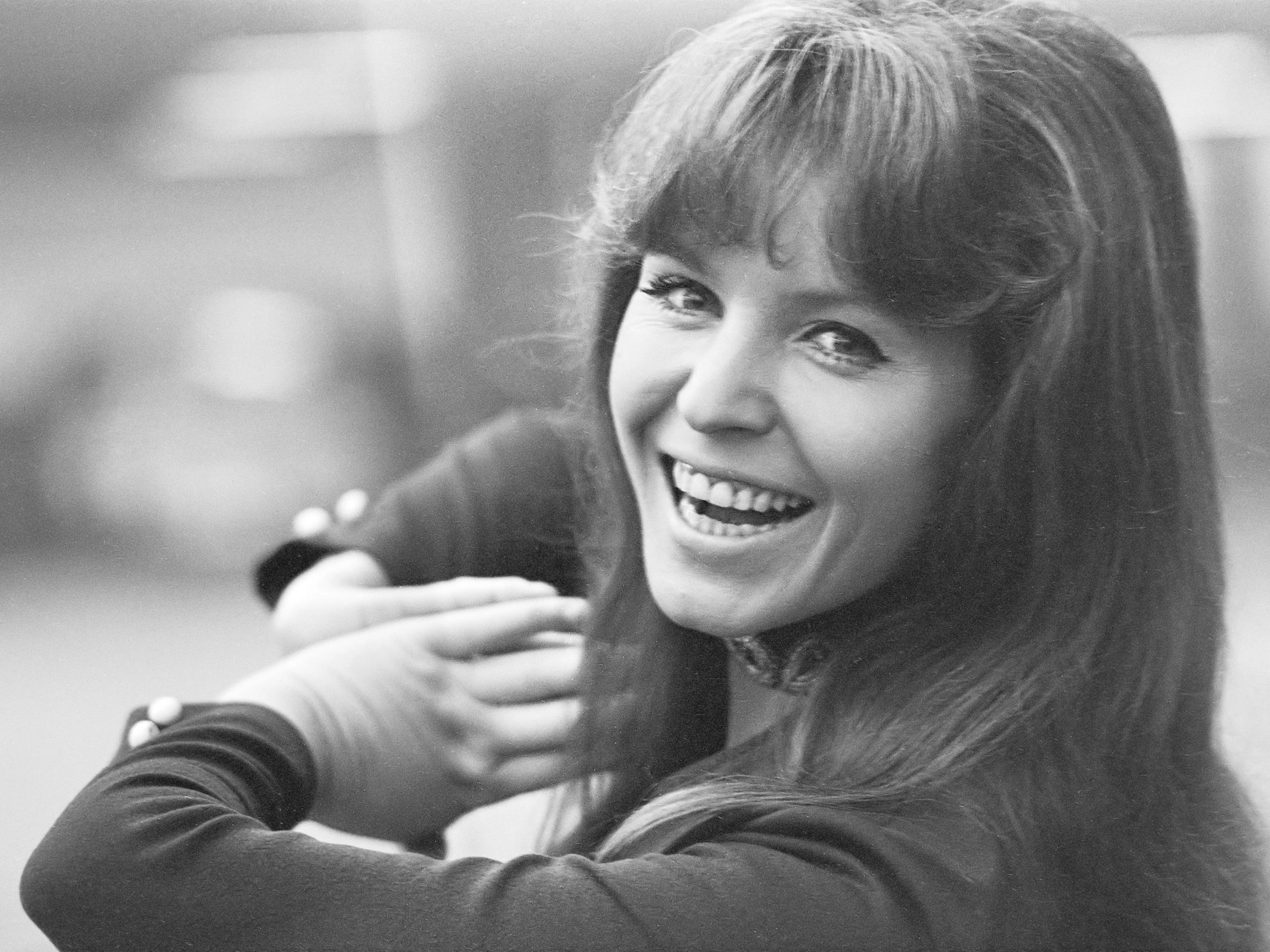
Image from Wikipedia
Image from Wikipedia
Manuela – The Schlager Icon Who Defined German Pop in the 1960s
The Voice of an Era: Manuela Between Teen Idol, Chart Success, and Cultural Figure
Manuela, born Doris Inge Wegener, was born on August 18, 1943, in Berlin and passed away on February 13, 2001, also in Berlin. In the 1960s, she was one of the major stars and teen idols of the Federal Republic of Germany, shaping the German-speaking Schlager with a blend of carefree spirit, charm, and a distinctive, instantly recognizable voice. Her name still represents that phase of German pop history when Schlager was not just entertainment but a youth culture, fashion, and lifestyle. ([de.wikipedia.org](https://de.wikipedia.org/wiki/Manuela_%28S%C3%A4ngerin%29))
Early Years and Musical Beginnings in Berlin
Manuela's career began in post-war Berlin, more precisely in Wedding, where as a teenager she joined friends to play Skiffle and worked during the day in an electrical factory. In the evenings, she passionately sang Schlager and was eventually discovered at a dance event by Teldec. This early biography says a lot about her charisma: not an artificially constructed star, but a young woman who came from the reality of the 1950s and early 1960s, carving her own path into the music world. ([de.wikipedia.org](https://de.wikipedia.org/wiki/Manuela_%28S%C3%A4ngerin%29))
Even her first recordings showed how determined her artistic path was. She first attracted attention as the lead singer of the girl band Tahiti-Tamourés, produced by Meisel; the song "Wini-Wini" reached number one on the German singles chart in 1963. Soon after, she transitioned to a solo career, and this very step marked the beginning of an extraordinary music career that made her one of the defining voices of German Schlager within a few years. ([de.wikipedia.org](https://de.wikipedia.org/wiki/Manuela_%28S%C3%A4ngerin%29))
The Breakthrough: “Schuld war nur der Bossa Nova” and the Rise to Superhit Status
Manuela's ultimate breakthrough came in 1963 with “Schuld war nur der Bossa Nova,” the German version of “Blame It on the Bossa Nova” by Eydie Gormé. The song became a number-one hit and served as the launchpad for a career with around 20 million records sold. With this, Manuela became one of the most successful German singers of her time and sent a musical signal that extended far beyond the typical Schlager. ([de.wikipedia.org](https://de.wikipedia.org/wiki/Manuela_%28S%C3%A4ngerin%29))
Her success stemmed not only from melody and production but also from her unique delivery. Contemporary assessments describe how she translated the style of international girl-group and pop aesthetics into a distinctive German form. It was precisely this combination of youthful directness, light irony, and popular catchiness that made her an artist who left an impression on both fans and music journalists alike. ([de.wikipedia.org](https://de.wikipedia.org/wiki/Manuela_%28S%C3%A4ngerin%29))
Style, Arrangement, and Cultural Impact
Manuela's singing style resonated with a generation. Her flawed German, which played consciously with sound and rhythm, became a trademark and sparked a new trend in Schlager. What might have been irritating for language purists was perceived by the public as modern, cheeky, and irresistibly contemporary. This is where her cultural value lies: she translated international pop influences into a format that resonated with everyday life in West Germany while embodying a sense of musical awakening. ([de.wikipedia.org](https://de.wikipedia.org/wiki/Manuela_%28S%C3%A4ngerin%29))
Historically, Manuela can be understood as a link between traditional entertainment songs, youth culture, and early German-speaking pop. Her recordings combined catchy arrangements with clear song structures and a presence that worked equally well on television and on record. That she later emerged as a lyricist and composer of her own Schlager shows an artistic development that went beyond mere interpretation. ([de.wikipedia.org](https://de.wikipedia.org/wiki/Manuela_%28S%C3%A4ngerin%29))
Television, Film, and Stage Presence
With great success came television shows, film roles, and an expanded public presence. Manuela appeared in the film “Im singenden Rößl am Königssee” and was later seen in “Zwanzig Mädchen und die Pauker: Heute steht die Penne kopf.” She also took dance, acting, singing, and guitar lessons, which underscored her versatility and sharpened her stage presence. ([de.wikipedia.org](https://de.wikipedia.org/wiki/Manuela_%28S%C3%A4ngerin%29))
She was also a staple on television. In 1965, she performed for East German television in Leipzig, which was unusual for West German artists at the time. In 1968, she even co-hosted the first edition of “Starparade” alongside Rainer Holbe, and in 1973 she appeared again there with a choreographed performance. This TV presence reinforced her status as a popular entertainer well beyond her recordings. ([de.wikipedia.org](https://de.wikipedia.org/wiki/Manuela_%28S%C3%A4ngerin%29))
Discography, Charts, and International Influence
Manuela had several top-ten hits in Germany and was also successful in the Netherlands and parts of South America. Her enduringly famous titles included, in addition to “Schuld war nur der Bossa Nova,” “Guantanamera,” “Küsse unterm Regenbogen,” “Ich hab’ mich verliebt in dich,” “Auf den Stufen zur Akropolis,” and “Rhodos bei Nacht.” Her discography displays a singer who remained continuously present throughout the 1960s and 1970s, consistently trying to reposition herself. ([de.wikipedia.org](https://de.wikipedia.org/wiki/Manuela_%28S%C3%A4ngerin%29))
Notable milestones in her career also include her work for the East German record label Amiga, as well as the release of English-language recordings during her stay in the USA. According to Wikipedia, she completed 50 of her own shows at the Dunes Hotel in Las Vegas; she also appeared on US television and radio shows. This international phase was part of an ambitious attempt to expand her career beyond the German market and to make Schlager exportable. ([de.wikipedia.org](https://de.wikipedia.org/wiki/Manuela_%28S%C3%A4ngerin%29))
Awards, Popularity, and Media Resonance
Manuela's popularity could be measured not only in record sales but also in awards and fan responses. In 1966 she received the Golden Bravo-Otto together with Drafi Deutscher; overall, she won four gold and four silver Bravo-Ottos in eight consecutive years. These figures illustrate how firmly she was established as an idol among a young, affluent, and music-loving audience. ([de.wikipedia.org](https://de.wikipedia.org/wiki/Manuela_%28S%C3%A4ngerin%29))
She also remained present in cultural history. The House of History in Bonn later featured Manuela in the exhibition “Melodien für Millionen. Das Jahrhundert des Schlagers” as one of the top stars of the 1960s. The Schlager “Monsieur Dupont” was included in the list of the 100 Schlager of the century in 2008. Such placements affirm her rank as a mainstay in the collective memory of German pop. ([de.wikipedia.org](https://de.wikipedia.org/wiki/Manuela_%28S%C3%A4ngerin%29))
Career Setbacks, Perseverance, and Later Years
Like many great pop careers, Manuela's journey was marked by breaks. In the early 1970s, she switched record labels several times, unable to connect with her earlier successes. A controversial bribery scandal surrounding ZDF and the subsequent media backlash intensified the crisis, leading to a significant decline in her sales figures. ([de.wikipedia.org](https://de.wikipedia.org/wiki/Manuela_%28S%C3%A4ngerin%29))
But Manuela did not give up. In 1980, she founded her own label, Manuela Sound Music Produktion, and released titles such as “Manuela – The Golden Hits,” “Manuela 80,” and “Manuela sings Manuela.” In the mid-1980s, she achieved noteworthy successes in radio charts again with “Auf den Stufen zur Akropolis” and “Rhodos bei Nacht,” and in 1991 and 1992, she was awarded the Golden Stimmgabel for her classics “Schuld war nur der Bossa Nova” and “Schwimmen lernt man im See.” This reflects an artist who understood her music career not only as a peak but also as a long-lasting legacy. ([de.wikipedia.org](https://de.wikipedia.org/wiki/Manuela_%28S%C3%A4ngerin%29))
Artistic Legacy and Contemporary Relevance
Manuela's legacy lies in her ability to blend German entertainment music with international pop aesthetics, forming a unique and enduring identity from it. She was not a peripheral figure in Schlager but a singer who connected fashion, television, youth culture, and record success into a coherent brand. Her career simultaneously tells the story of an era when Schlager had societal significance as a mass phenomenon. ([de.wikipedia.org](https://de.wikipedia.org/wiki/Manuela_%28S%C3%A4ngerin%29))
Whoever listens to Manuela today encounters not only a catalog of hits but a piece of German music history. Her songs document transformation, awakening, and the allure of pop during a time that was still analog but emotionally charged. For this reason, she remains compelling: as a symbol of a golden Schlager generation, as a style-defining interpreter, and as an artist with genuine stage presence whose work should be rediscovered today. ([de.wikipedia.org](https://de.wikipedia.org/wiki/Manuela_%28S%C3%A4ngerin%29))
Conclusion
Manuela embodies the rare combination of mass success, recognizability, and cultural impact. Her career spanned from Berlin dance evenings to number-one hits and TV fame, culminating in late awards and a firm place in music history. Anyone wanting to understand German pop and Schlager history cannot overlook her – and those wishing to experience the energy of that era live should encounter her recordings with open ears. ([de.wikipedia.org](https://de.wikipedia.org/wiki/Manuela_%28S%C3%A4ngerin%29))
Official Channels of Manuela (Singer):
- Instagram: no official profile found
- Facebook: no official profile found
- YouTube: no official profile found
- Spotify: no official profile found
- TikTok: no official profile found