
Fiva (Musikerin)
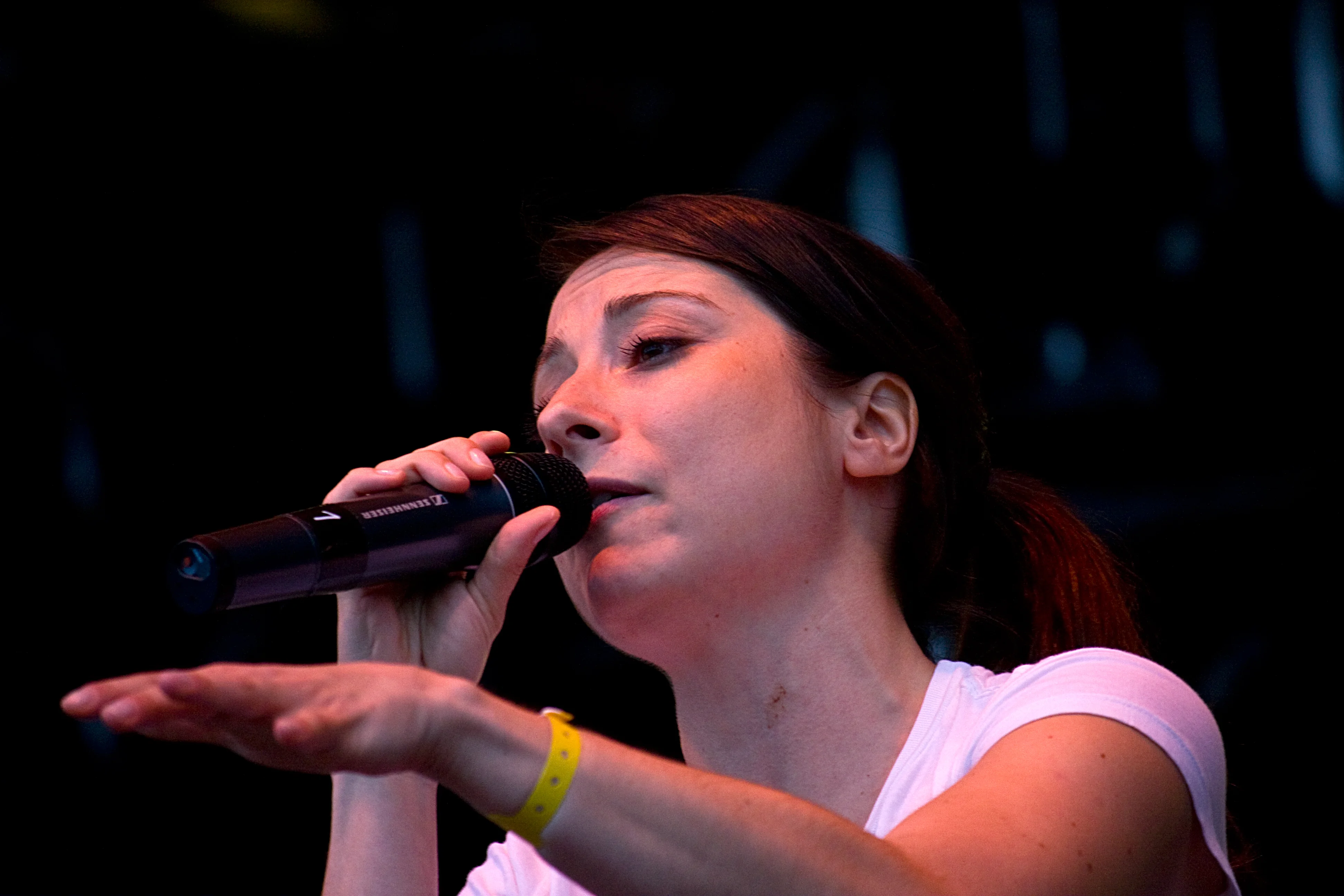
Image from Wikipedia
Image from Wikipedia
Fiva: The Poetic Rapper from Munich between Conscious Rap, Spoken Word, and Performance Art
An artist who combines rap, literature, and moderation into a distinctive stance
Fiva, the stage name of Nina Sonnenberg, is one of the most unique voices in German-speaking hip-hop. Born on November 12, 1978, in Munich, she evolved from a young rapper with a keen sense of lyrics into a versatile musician, moderator, and author. Her career blends conscious rap, spoken word, radio culture, and live presence into an artistic profile that appears rare in the German music scene for its consistency and credibility. ([de.wikipedia.org](https://de.wikipedia.org/wiki/Fiva_%28Musikerin%29))
Early Years: The Journey from Freestyle to Her Own Voice
Nina Sonnenberg first came into contact with German rap in 1995 and, as she reports, practiced quietly for several years before her first freestyle performance at the Flava Club 70 in Munich in 1999. Just a year later, she toured Germany, Austria, and Switzerland with MC Rene. These early stages demonstrate an artist who developed her craft not through quick hype, but through live experience, a sense of language, and an ever-growing stage routine. ([de.wikipedia.org](https://de.wikipedia.org/wiki/Fiva_%28Musikerin%29))
In 2001, Fiva MC and Radrum signed their first record deal with the Hamburg label Buback. With the single "Status Quo" and her debut album "Spiegelschrift," she laid the foundation for a career in which lyrical precision, personal perspective, and conscious themes were prioritized over mere flashy effects from the beginning. The debut was produced, among others, by Edward Sizzerhand, which early on gave the album a clear hip-hop framework. ([de.wikipedia.org](https://de.wikipedia.org/wiki/Fiva_%28Musikerin%29))
Building a Career: From Duo to an Independent Artistic Universe
After initial tours with Fettes Brot and a phase of collaboration with DJ Radrum, Fiva founded her own label Kopfhörer Recordings with him in 2005. This independence marked an important step: the rapper became an artist with editorial control over sound, releases, and aesthetic direction. "Kopfhörer" was released in 2006 as the second album before 2009 ushered in a new phase, with production by Flip from Texta. ([de.wikipedia.org](https://de.wikipedia.org/wiki/Fiva_%28Musikerin%29))
With "Die Stadt gehört wieder mir," released in 2012, Fiva achieved a stylistic expansion. The album was produced with the Phantom Orchestra; instead of classic hip-hop beats, elaborately composed pieces with double bass, synthesizers, and strings dominated. This step reflects an artistic evolution away from pure rap format towards a more composed form of pop, chanson, and songwriting, without abandoning the art of words. ([de.wikipedia.org](https://de.wikipedia.org/wiki/Fiva_%28Musikerin%29))
Between Rap, Spoken Word, and Literature: The Second Stage
Fiva is not only a rapper but also a prominent spoken word and poetry slam artist. In 2002, she placed third in the individual competition at the German language slam championships, and in 2004, she and her team Tha Boyz with tha Girlz in Tha Back won the German language championship in the team competition. In 2007, she published the book with a spoken word CD titled "Klub Karamell" and concurrently worked as a workshop leader for young people as well as in international cultural contexts. ([de.wikipedia.org](https://de.wikipedia.org/wiki/Fiva_%28Musikerin%29))
This literary and performative vein shapes her entire performance. Fiva's lyrics often function like small scenes where urban observation, personal experience, and social self-positioning intertwine. This makes her music feel less like standardized rap and more like a narrated present, condensed through rhythm, meter, and a warm, controlled voice. ([de.wikipedia.org](https://de.wikipedia.org/wiki/Rotwild_%28Album%29))
Discography: Albums, EPs, and Influential Releases
Fiva's discography outlines a clear line of musical maturity. Key albums include "Spiegelschrift" (2002), "Kopfhörer" (2006), "Rotwild" (2009), "Die Stadt gehört wieder mir" (2012), "Alles leuchtet" (2014), "Keine Angst vor Legenden" (2016, with the Jazzrausch Bigband) and "Nina" (2019). Additionally, the EP "So viel Meer," released in 2022, gathers seven new pieces and signifies another chapter change. ([de.wikipedia.org](https://de.wikipedia.org/wiki/Fiva_%28Musikerin%29))
Especially fascinating is how Fiva continually redefines her releases through new lineups and soundscapes. "Alles leuchtet" collaborated with guests such as 5/8erl in Ehr’n, Bernadette La Hengst, and Peter Balboa, while "Keine Angst vor Legenden" combined the energy of a big band with Fiva's rap and lyrical aesthetics. The EP "So viel Meer" has been described as a collection of seven songs addressing connection, difference, and the grand themes of life. ([shop.ninafivasonnenberg.de](https://shop.ninafivasonnenberg.de/produkte/37000-alles-leuchtet?utm_source=openai))
Current Projects: New Music, Stage, and Film
In recent years, Fiva has remained productive and visible. Her official website mentions the dramatic composition of the score and title song for the film "Checker Tobi und die heimliche Herrscherin der Erde" slated for 2025; the release is marked for January 8, 2026. Additionally, the site refers to the music project "OK nicht OK Teaser," which marks her current creative focus. ([ninafivasonnenberg.de](https://ninafivasonnenberg.de/ueber/))
Fiva is also present live. The official performance calendar and Bandsintown refer to upcoming shows, among others, as part of "Salon Sonnenberg," as well as other dates in 2026. It becomes evident how strongly her artistic profile is now geared towards improvisational formats, club shows, and culture-related stage work. ([ninafivasonnenberg.de](https://ninafivasonnenberg.de/termine/?utm_source=openai))
Moderation and Cultural Authority
Fiva's reach extends far beyond music. Since 2007, she has been active in radio, including shows on FM4 and in the vicinity of Bayern 2, and since 2023 she has moderated "Eins zu Eins der Talk" on Bayern 2. She previously worked for ZDFkultur and other cultural formats; in 2021 she was also a jury member for "Starmania 21." These activities strengthen her authority as a cultural mediator and add an additional journalistic depth to her music career. ([de.wikipedia.org](https://de.wikipedia.org/wiki/Fiva_%28Musikerin%29))
Critical Reception and Artistic Influence
The reception of her albums shows an artist who is often appreciated in criticism for language, attitude, and lyrical quality. "Spiegelschrift" was praised by Intro for its personal voice-over moments and described on rap4fame.de as an important album for German rap. "Die Stadt gehört wieder mir" received strong accolades from Abendzeitung as a radio-compatible rap album, while rappers.in highlighted the combination of poetic lyrics and playful instrumentals. ([de.wikipedia.org](https://de.wikipedia.org/wiki/Spiegelschrift_%28Album%29))
"Rotwild" was also received with nuance: laut.de emphasized Fiva's lyrical ability but criticized the lack of impact in individual passages, while Intro and Rapspot primarily praised the lyrics and ambitions. This spectrum fits Fiva well: she is not an artist who aims solely for consensus but seeks substance, attitude, and a carefully constructed body of work. ([de.wikipedia.org](https://de.wikipedia.org/wiki/Rotwild_%28Album%29))
Awards and Recognition
In 2018, Fiva received the Bavarian Culture Prize. This award underscores that her work functions not only as rap within a scene but is also recognized as a culturally and artistically relevant achievement. Her connection of music, literature, moderation, and live art makes her a rare all-rounder in the German-speaking cultural landscape. ([de.wikipedia.org](https://de.wikipedia.org/wiki/Fiva_%28Musikerin%29))
Conclusion: Why Fiva Remains So Exciting
Fiva represents a music career defined by language, development, and stage presence. She combines conscious rap with poetic precision, expands hip-hop with band sound, big band aesthetics, and spoken word while remaining approachable, reflective, and independent. For those who understand German rap history not only as a genre but as a cultural narrative, Fiva is one of the most interesting voices of her generation. ([de.wikipedia.org](https://de.wikipedia.org/wiki/Fiva_%28Musikerin%29))
This quality is especially evident live: Fiva's concerts and performance formats thrive on improvisation, lyrical power, and a keen sense of atmosphere. Those who experience her on stage encounter not just a rapper but a storyteller, moderator, and performer with a distinctive fingerprint. An evening with Fiva is worth it for anyone seeking music with depth, character, and conviction. ([bandsintown.com](https://www.bandsintown.com/a/1694776-nina-fiva-sonnenberg))
Voices of the Fans
The reactions from fans clearly show how strongly Fiva moves with her live presence. On Bandsintown, a visitor wrote after a concert in Munich: "Super concert, super location. The city belongs to her again!" This aligns with an artist whose audience experiences not just songs but a whole attitude. ([bandsintown.com](https://www.bandsintown.com/a/1694776-nina-fiva-sonnenberg))
Official Channels of Fiva:
- Instagram: https://www.instagram.com/fivaoffiziell/
- Facebook: https://www.facebook.com/NinaFivaSonnenberg
- YouTube: No official profile found
- Spotify: https://open.spotify.com/artist/1yyVo8VBUjIsROi57j7UIh
- TikTok: No official profile found
- Bandsintown: https://www.bandsintown.com/a/1694776-nina-fiva-sonnenberg
Sources:
- Nina FIVA Sonnenberg - Music & Moderation - Official Website
- Nina FIVA Sonnenberg - About
- Nina FIVA Sonnenberg - Moderation
- Nina FIVA Sonnenberg - Contact / Management
- Nina FIVA Sonnenberg - Events
- Official Shop - So Viel Meer EP
- Official Shop - Keine Angst vor Legenden
- Official Shop - Alles leuchtet
- Wikipedia: Fiva (Musikerin)
- Wikipedia: Spiegelschrift
- Wikipedia: Rotwild
- Wikipedia: Die Stadt gehört wieder mir
- Bandsintown - Nina Fiva Sonnenberg Verified
- laut.de - Alles leuchtet
- mzee.com - Fiva x JRBB - Keine Angst vor Legenden - Review
Upcoming Events
FIVA - Everything Shines 2026