
Stephan Ullrich
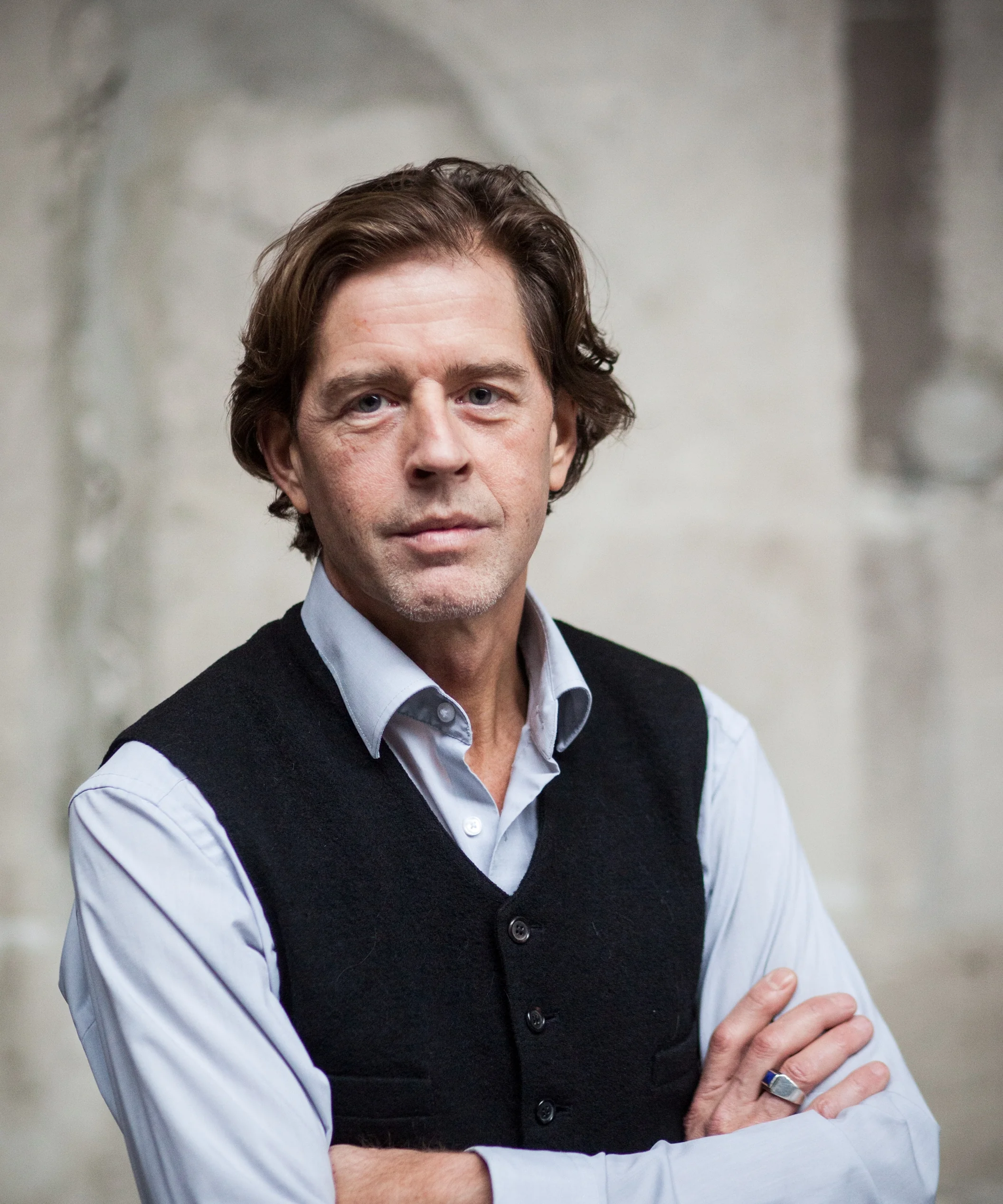
Image from Wikipedia
Image from Wikipedia
Stephan Ullrich – German Actor with Distinct Stage Presence and Precise Character Portrayal
From Schauspielhaus Bochum to Bamberg: A Life for the Stage and Television
Stephan Ullrich, born on August 31, 1960, in Solingen, is one of the defining faces of German-speaking theater and television. He does not have a traditional music career; rather, his acting skills take center stage: a versatile presence that supports major texts of world literature just as well as widely viewed TV productions. Following his influential training at the New Munich Theater School, Ullrich evolved from his early theater years through long-term ensemble work to sharp character roles – on stage, in film, and as a highly sought-after reciter of demanding literature.
His artistic development is characterized by precision in character building, a sense of the linguistic music of texts, and a physically present performance. He broke through as a television actor with the ZDF series “Samt & Seide,” while simultaneously his theater work grew steadily: Bochum, Düsseldorf, Aachen, Essen – and, since 2016, especially the ETA-Hoffmann-Theater Bamberg. Ullrich combines theater tradition with modern performance culture, classical repertoire with contemporary drama.
Biography: Training and Early Theater Years
Between 1983 and 1986, Stephan Ullrich completed his training at the New Munich Theater School and subsequently became a permanent ensemble member at Schauspielhaus Bochum. During this phase, he shaped his acting style: textually accurate, physically expressive, and rhythmically precise. Early engagements took him to significant venues such as Schauspielhaus Düsseldorf, Stadttheater Aachen, and Schauspiel Essen. His work was always characterized by a clear understanding of roles and a dramaturgical feel for the composition and arrangement of scenes – qualities that still define his artistic development today. [Sources see below]
In parallel to theater productions, he began to take on television roles. This dual path – stage and camera – expanded Ullrich’s repertoire. He utilizes cinematic close-ups without losing theatrical grandeur and simultaneously transposes the musical tension of a stage text into intimate camera angles: a mix of precision and energetic flow.
Repertoire and Artistic Development: Classics, Modern Works, Opera Dialogues
Ullrich’s repertoire includes central roles in world literature: from Büchner’s “Dantons Tod” to Čechov's “Platonov,” from Shakespeare’s “Hamlet” (as Claudius) to Schiller’s “Die Räuber.” His versatility across genres – tragedy, comedy, modern spoken theater – and his confident handling of the language of the roles are particularly noteworthy. Furthermore, his artistic development shows an openness to cross-genre work: speaking roles in opera productions – such as Bassa Selim in Mozart’s “Die Entführung aus dem Serail” – demonstrate his sensitivity to musical dramaturgy, timing, and text music, even beyond traditional acting stages. This versatility gives his characters contour and depth.
Key milestones of the 2010s: at Prinzregenttheater Bochum in “Buddenbrooks” as Christian; at Schauspielhaus Bochum in “Medea” (Jason); at the Bad Hersfelder Festspiele in “Der Sturm” (Caliban) and “Nathan der Weise” (Temple Knight). Later, his profile solidified within the ensemble of the ETA-Hoffmann-Theater Bamberg – with roles such as Roy Cohn (“Engel in Amerika”), Faust (“Faust”), Gajew (“Der Kirschgarten”), Dorfrichter Adam (“Der zerbrochne Krug”), or Vice President Selch (“Im Reich des Todes”). This range underscores his dramaturgical judgment and precise role architecture. [Sources see below]
The Breakthrough in Television: “Samt & Seide” and Distinct TV Roles
His television career gained momentum in the mid-1990s. After TV movies like “Amerika” (1996), he moved on to series and episodic formats, making him known to a broad audience. A pivotal career moment was his lead role as Felix Althofer in the ZDF series “Samt & Seide” (2000–2005). This was followed by work for “Polizeiruf 110,” “In aller Freundschaft,” “SOKO 5113,” “Forsthaus Falkenau,” and “Das Traumhotel.” Later highlights included main guest roles in “Danni Lowinski” (2010) and a notable part in “Helden – Wenn dein Land dich braucht” (2013). In 2023/2024, Ullrich returned prominently to television: in the second season of “Unsere wunderbaren Jahre.” This consistency reflects a career rooted in sustainable quality, rather than short-term hype. [Sources see below]
In camera work, Ullrich impresses with fine psychological nuances and precise character work: line of sight, pauses, underlying irony – a repertoire that makes his TV appearances memorable. His stage experience serves as the foundation for credible, structurally sound characters.
Readings and Recitations: Literature as Sounding Dramaturgy
As a reciter, Stephan Ullrich has established an excellent reputation. He interprets major cycles – Proust’s “In Search of Lost Time,” Thomas Mann’s “The Magic Mountain” and “Joseph and His Brothers,” Musil’s “The Man Without Qualities,” Serners’s “Die Tigerin” – with a speaking culture that makes the music of the text and its warmth of meaning audible. In 2019, a multi-part reading series of “Ulysses” began in collaboration with the Literary Society Bochum; in 2021/22, readings from Heinrich Mann’s “Der Untertan,” and in 2022/23 a series on “Heinrich von Kleist: Complete Tales” followed. These projects demonstrate experience in text analysis, breath control, prosody, and overall dramaturgical form – a vocal art that brings literature to the stage. [Sources see below]
His work as a reciter also highlights Ullrich’s “experience” in the EEAT sense: He designs literary evenings as independent productions, reflecting composition, phrasing, and semantic dynamics – a competence that can be heard and felt.
ETA-Hoffmann-Theater Bamberg: Continuity, Ensemble Work, New Seasons
Since the 2016/17 season, Ullrich has influenced the ensemble of the ETA-Hoffmann-Theater Bamberg. There, strongly discussed character depictions emerged: Roy Cohn in “Engel in Amerika,” the title role in “Faust,” Uncle Gajew in “Der Kirschgarten,” or Dorfrichter Adam in “Der zerbrochne Krug.” In the opening of the Bavarian Theater Days 2022, he appeared in Theresia Walser’s “Kängurus am Pool” – a statement for contemporary drama and precise ensemble work. [Sources see below]
Current and recent productions underline his artistic range: 2023/24 “Das Vermächtnis” (Parts 1 and 2), “Marie Antoinette oder Kuchen für alle,” and “Die Ärztin”; 2024/25 “Anthropolis,” “Die Legende von Georgia McBride,” and “Peer Gynt.” For 2025/26, “Kafkas Erzählungen,” “Hainbad-Revue,” “Felix Krull,” “Die Ratten,” and again “Der zerbrochne Krug” are announced. This repertoire demonstrates dramaturgical diversity, thematic courage, and a willingness to re-examine classics. [Sources see below]
Awards, Invitations, Authority in the Field
Early invitations to the Berlin Theater Meeting marked important career steps and indicate artistic authority: mentions for “Süden” (1988), “Galileo Galilei” (1989), and “Timon aus Athen” (1992) characterize a phase when Ullrich’s stage presence and ensemble performance were recognized beyond regional boundaries. Such stations strengthen the authority of his ongoing career and demonstrate that his work is considered within broader discourses on directorial handwriting, performance styles, and ensemble culture. [Sources see below]
These recognitions continue to resonate in his current work: Ullrich's roles are carefully constructed, linguistically balanced, and rhythmically articulated – hallmarks of expertise based on decades of practice in the rehearsal room, on stage, and in front of the camera.
Filmography (Selection) and Defining TV Moments
A selection of key works illustrates the breadth of his film and television work: “Amerika” (1996), “Weihnachten mit Willy Wuff – Mama braucht einen Millionär” (1997), “Polizeiruf 110” (1998), “In aller Freundschaft” (2003), “Die Rettungsflieger” (2003), “Das Traumhotel – Verliebt auf Mauritius” (2004), “SOKO 5113” (2004–2008), “Forsthaus Falkenau” (2001, 2007), “Plötzlich Onkel” (2009), “Danni Lowinski” (2010), “Helden – Wenn dein Land dich braucht” (2013), “Tatort – Eine andere Welt” (2013), and “Unsere wunderbaren Jahre” (Season 2, 2023). This list demonstrates continuity and flexibility in productions of varied tonalities – from family formats to event movies. [Sources see below]
Particularly the long stretch in “Samt & Seide” highlights dramaturgical discipline: allowing a character to grow in complexity over many episodes requires timing, variety, and dramaturgical anticipation – abilities that also benefit stage roles.
Style Analysis: Language, Body, Timing
Characteristic of Stephan Ullrich is a stylistic triad: first, the precise language; second, the consciously directed body; and third, a musical timing that dramaturgically establishes pauses and tempo changes. These nuances carry the subtext and give even minor characters a memorable profile. On stage, this translates into a robust breath management and dynamic phrasing; in front of the camera, into minimalist yet expressive impulses. In total, a performance style emerges that dusts off classic texts and grounds modern material.
In rehearsal work, Ullrich – as can be inferred from his repertoire – employs analytical tools such as role text exegesis, act structuring, and scenic arrangements. His performance remains open to the director's handwriting and to interplay within the ensemble, making him a sought-after partner in large, multi-part projects.
Cultural Influence and Relevance
Stephan Ullrich embodies that theater tradition that keeps the history of literature and acting vibrant while weaving it with contemporary discourses. By spanning repertoire from Brahms songs in scenically musical settings (“Die schöne Magelone” in collaboration with the Bochumer Symphoniker) to Jelinek’s “Am Königsweg” or Walser’s new comedy, he shapes the spectrum of German-speaking city theater as a place of societal self-reflection. His continued presence on television strengthens the visibility of this work to an audience that moves between stage and screen. [Sources see below]
Thus, cultural relevance arises not just from ratings or premiere reviews, but through sustained presence in various modes of production: theater, TV, recitation – three pillars that support Ullrich’s career and shape his profile as a reliable and versatile voice in acting.
Current Projects (2024–2026): Stage Presence with Contemporary Relevance
Recent and current seasons at the ETA-Hoffmann-Theater demonstrate Ullrich in a thematically broad repertoire: 2023/24 among others “Das Vermächtnis” (Parts 1 and 2), “Marie Antoinette oder Kuchen für alle,” “Die Ärztin”; 2024/25 among others “Anthropolis,” “Die Legende von Georgia McBride,” “Peer Gynt.” For 2025/26, “Kafkas Erzählungen,” “Hainbad-Revue,” “Felix Krull,” “Die Ratten,” and “Der zerbrochne Krug” are scheduled. This rhythm underscores artistic conditioning, teamwork skills, and a willingness to re-adjust classics and highlight contemporary material. [Sources see below]
The television side remains active: Participation in “Unsere wunderbaren Jahre” (Season 2) documents the ongoing demand for his performances in serialized storytelling. Therefore, theater lovers should keep an eye on current arrangements in Bamberg.
Conclusion: Why Experience Stephan Ullrich Live?
Because his performance makes the text’s musicality audible: He integrates language, body, and rhythm into a whole, granting credibility and pull to characters. Because his repertoire ranges from classics to contemporary drama, and, as a reciter, he transforms literature into resonant dramaturgy. And because his television work demonstrates how precise acting can be in detail. Those who wish to experience the vibrancy of German-speaking theater art should attend one of his upcoming premieres – particularly the seasons 2024/25 and 2025/26 at the ETA-Hoffmann-Theater Bamberg promise dense ensemble work and clever material selection.
Official Channels of Stephan Ullrich:
- Instagram: No official profile found
- Facebook: No official profile found
- YouTube: No official profile found
- Spotify: No official profile found
- TikTok: No official profile found
Sources:
- Wikipedia – Stephan Ullrich
- Stephan Ullrich – Official Website: Biography and Performance Plans
- schauspielervideos.de – Profile Stephan Ullrich
- fernsehserien.de – Filmography Stephan Ullrich
- Vollfilm – Stephan Ullrich (Profile, Basic Data, Theater Festival Nominations)
- Wikipedia: Image and text source
Upcoming Events
Stephan Ullrich reads Heinrich von Kleist
Experience Kleist's linguistic art live at the E.T.A.-Hoffmann-Theater: Stephan Ullrich reads with precision and depth. Wednesday, 08.04.2026, 20:00, entry price follows, barrier-free. Inspiring literary experience - secure your date now. #ReadingBamberg
Stephan Ullrich reads Heinrich von Kleist
The Musical Sufferings of Kapellmeister Johannes Kreisler - Kick-off Event for 250 Years of E.T.A. Hoffmann
Bamberg opens the curtain for Hoffmann's Romanticism: Reading, music, and anniversary atmosphere at the ETA Hoffmann Theater. 20.05.2026 at 19:30. #Literature
The Broken Jug, Heinrich von Kleist, Calderon Games 2026
Who broke the jug? This seemingly trivial question about shards unfolds the most famous trial in comedy literature. Judge Adam, clearly battered and worn from the previous night, is used to ruling in the courtroom like an absolute monarch. But this time, he is confronted not only with the lawsuit concerning the broken jug but also with an auditor who is watching him closely while he tries to extricate himself from a whole series of affairs. – The only, eternal, and indestructible classic of comedy in the historic setting of the Old Court! Direction: Jasper Brandis Set Design: Anna Siegrot Dramaturgy: Antonia Leitgeb-Busche Cast: Stephan Ullrich, Eric Wehlan, Marek Egert, Iris Hochberger, Laura Röseler, Daniel Warland, Hermia Gerdes
The Broken Pitcher, Heinrich von Kleist, Calderon Plays 2026
Who broke the pitcher? This seemingly banal question about shards unfolds into the most famous court trial in comedic literature. Judge Adam, clearly battered and worn from the previous night, is accustomed to presiding in the courtroom like a sole ruler. But this time, he finds himself not only confronted with the complaint about the broken pitcher but also with an auditor who is watching him closely, while he tries to extricate himself from a whole series of affairs. – The only, eternal, and indestructible classic comedy in the historic setting of the Old Court! Direction: Jasper Brandis Set Design: Anna Siegrot Dramaturgy: Antonia Leitgeb-Busche Cast: Stephan Ullrich, Eric Wehlan, Marek Egert, Iris Hochberger, Laura Röseler, Daniel Warland, Hermia Gerdes