
Franz Raml
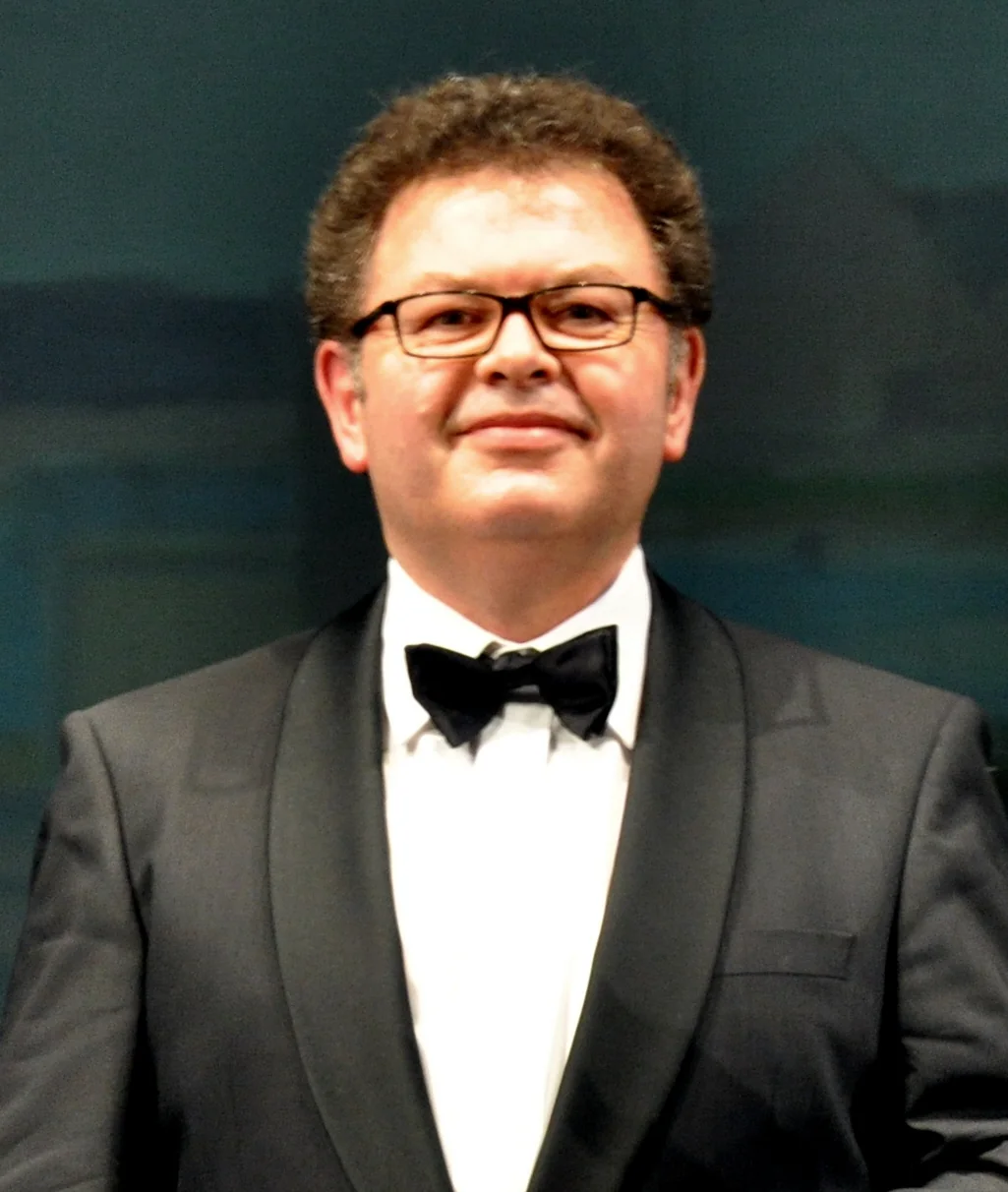
Image from Wikipedia
Image from Wikipedia
Franz Raml: The Sound Researcher between Organ, Harpsichord, and Historical Performance Practice
A Master of Early Music with a Passion for Historical Sound Worlds
Franz Raml, born in 1964 in Straubing, is among the prominent German musicians in the field of Early Music. As an organist, harpsichordist, conductor, choral director, and lecturer in historical performance practice, he combines the precision of a musician with the spirit of a sound researcher. His artistic career is closely linked to the rediscovery of Baroque repertoires, the care of historical instruments, and the vibrant transmission of musical traditions. ([hassler-consort.de](https://www.hassler-consort.de/franz-raml/?utm_source=openai))
His profile exemplifies a generation of artists who understand music history not as a museum but as a living present. Raml works not only as an interpreter but also programmatically and pedagogically: he shapes projects, ensembles, and concert series in which historical spaces, original instruments, and stylistically critical accuracy converge. This is precisely where the unique tension of his music career lies. ([hassler-consort.de](https://www.hassler-consort.de/hassler-consort/?utm_source=openai))
From Straubing to the European Specialized World of Early Music
Raml's musical education began in Lower Bavaria and took him through the musical Anton Bruckner Gymnasium to the conservatories in Detmold and Munich. There, he studied organ and Catholic church music, completing the A-examination. A three-year advanced study in Baroque organ, harpsichord, and performance practice also brought him into contact with Ton Koopman, whose impulses for historically informed interpretation played an important role in his development. ([hassler-consort.de](https://www.hassler-consort.de/franz-raml/?utm_source=openai))
In 1992, Raml completed the concert examination in "Baroque Organ" at the Royal Conservatory in The Hague. This step marked not only an academic pinnacle but also a significant turning point: while the organ remained his central medium of expression, his artistic development simultaneously opened up to the harpsichord, fortepiano, and ensemble direction. The combination of soloist, educator, and conductor continues to shape his artistic overall image to this day. ([hassler-consort.de](https://www.hassler-consort.de/franz-raml/?utm_source=openai))
The Historical Organ as the Artistic Center
From 1989 to 2015, Franz Raml served as organist and tutor at the large historical Holzhey organ from 1793 in Rot an der Rot, one of the most significant instruments in Southern Germany. This long-term association with a specific historical instrument points to a way of thinking that sees sound, space, and repertoire as inseparable. In Early Music, it creates not merely interpretation, but a form of musical archaeology with immediate contemporary power. ([hassler-consort.de](https://www.hassler-consort.de/franz-raml/?utm_source=openai))
Since 2004, Raml has led the International Organ Academy of Swabia, and later became the artistic director of the Organ Academy of Swabia. He also serves as the titular organist at the historical Holzhey organ of the former monastery church of St. Peter and Paul in Rot an der Rot. His work is thus closely tied to locations where the substance of instrument history and musical practice intersect. ([de.wikipedia.org](https://de.wikipedia.org/wiki/Franz_Raml?utm_source=openai))
The Hassler Consort: Ensemble Work as a Cultural Statement
In 1992, Franz Raml founded the Hassler Consort, an internationally composed professional ensemble for Early Music. The focus is on original instruments and the stylistically appropriate revival of music from the Renaissance to the Viennese Classical period in historical spaces between Ulm and Lake Constance. The ensemble views itself not only as a performance entity but as a cultural-historical project that makes regional and European music history newly audible. ([hassler-consort.de](https://www.hassler-consort.de/hassler-consort/?utm_source=openai))
Raml places particular importance on the rediscovery of South German, Austrian, and Italian Baroque composers such as Monteverdi, Scarlatti, Kerll, Muffat, and Biber. At the same time, the ensemble maintains the vast repertoire of Bach and Handel and specifically dedicates itself to the regional music culture of Ulm and Upper Swabia in the 17th and 18th centuries. In this way, Raml combines historical consciousness with a clear curatorial profile. ([hassler-consort.de](https://www.hassler-consort.de/hassler-consort/?utm_source=openai))
The Hassler Consort works in various genres from chamber music to oratorios and scenic opera productions. The documented programs include Pergolesi's "La serva padrona," Handel's "Acis and Galatea," "Giulio Cesare," "Orlando," and "Riccardo primo." Radio recordings, as well as invitations to concerts and festivals both at home and abroad, underscore the reach of this artistic work. ([hassler-consort.de](https://www.hassler-consort.de/hassler-consort/?utm_source=openai))
Discography: Documented Work in Service of the Repertoire
Raml's discography reflects the close interconnection of research, performance, and edition. Among the documented releases are "W.A. Mozart on the 250th Birthday," "Justin Heinrich Knecht: Psalm Settings," "Johann Beer: Missa S. Marcellini," "Josef and Michael Haydn: Christmas Motets, Songs, Organ Concert," "Giacomo Carissimi: Oratorios and Motets," and "Johann Caspar Kerll: Missa pro defunctis." This selection makes it clear that Raml does not engage in superficial repertoire maintenance but works deeply within the Baroque and pre-Classical cosmos. ([hassler-consort.de](https://www.hassler-consort.de/medien/discographie/?utm_source=openai))
These productions are less focused on chart-topping hits than on music-historical relevance, acoustic authenticity, and stylistic consistency. Their significance lies precisely in this: Raml's discography documents an artistic attitude that reintroduces historical works into the concert and recording context. For listeners who want to not only consume Early Music but also understand it, this is a central value. ([hassler-consort.de](https://www.hassler-consort.de/medien/discographie/?utm_source=openai))
Interpretation, Style, and Musical Handwriting
Raml's style can be described as a combination of analytical precision and vibrant theatricality. His work on organ, harpsichord, and fortepiano shows a deep awareness of historical timbres, articulation, and rhetorical gesture. Especially the engagement with Baroque music demands a sense for affect, ornamentation, and the balance between structure and expression, and this is where Raml excels. ([hassler-consort.de](https://www.hassler-consort.de/franz-raml/?utm_source=openai))
As a conductor and choral director, he also thinks in larger architectural arcs. His programs connect liturgical, concert, and scenic contexts, which causes Early Music to appear not as a rigid tradition but as a dramatically charged art form. The incorporation of historical spaces and original instruments enhances this impression and transforms his performances into multifaceted listening experiences. ([hassler-consort.de](https://www.hassler-consort.de/hassler-consort/?utm_source=openai))
Educational Work and Cultural Authority
Franz Raml is not only an interpreter but also a lecturer in Early Music and historical performance practice. This teaching activity extends his artistic authority as it combines practical knowledge, music-historical competence, and methodological communication. In 2005, he was also a guest lecturer in a seminar on historical organ playing at the University of Music and Performing Arts Munich. ([de.wikipedia.org](https://de.wikipedia.org/wiki/Franz_Raml?utm_source=openai))
He has received awards and grants, including a scholarship from the German National Academic Foundation and a promotion prize from the International Lake Constance Conference for his work in the field of Early Music. Such honors confirm the scientific-artistic seriousness of his career and anchor him in a network of institutions that promote quality and cultural value. ([hassler-consort.de](https://www.hassler-consort.de/hassler-consort/?utm_source=openai))
Current Projects and Presence in Concert Life
Raml remains actively visible in current concert announcements. The website of the Hassler Consort documents concerts for 2024, 2025, and 2026, including organ programs and works on historical instruments. This ongoing presence shows that his work is not mired in the past but continuously opens new spaces for historical music. ([hassler-consort.de](https://www.hassler-consort.de/konzerte/konzerte-2024/?utm_source=openai))
Especially noteworthy is the connection of repertoire maintenance and site specificity: historical organs, regional concert series, and ensemble work form a coherent artistic system. Raml thus represents a form of music culture that does not react to fleeting trends but focuses on permanence, substance, and acoustic authenticity. ([hassler-consort.de](https://www.hassler-consort.de/hassler-consort/?utm_source=openai))
Conclusion: An Artist for Listeners with a Sense of Depth and Historical Sound Culture
Franz Raml is exciting because he does not merely preserve musical past but revives it. His music career combines organ mastery, ensemble leadership, historical research, and educational work into a convincing overall picture. Those who appreciate Early Music, organ art, and stylistically conscious interpretation will find in him an artist of rare consistency and cultural depth. ([hassler-consort.de](https://www.hassler-consort.de/franz-raml/?utm_source=openai))
It is in concert that the strength of this work unfolds most intensely: historical instruments, precise programs, and a clear artistic stance create experiences that go far beyond mere reproduction. Franz Raml invites you to listen to music as a living cultural history. Experiencing him live means engaging with a sound space where tradition, research, and expressive power come together at the highest level. ([hassler-consort.de](https://www.hassler-consort.de/hassler-consort/?utm_source=openai))
Official Channels of Franz Raml:
- Instagram: no official profile found
- Facebook: no official profile found
- YouTube: no official profile found
- Spotify: no official profile found
- TikTok: no official profile found
Sources:
Upcoming Events
Saturday Concert in the Kaiserdom