
Christine Schornsheim
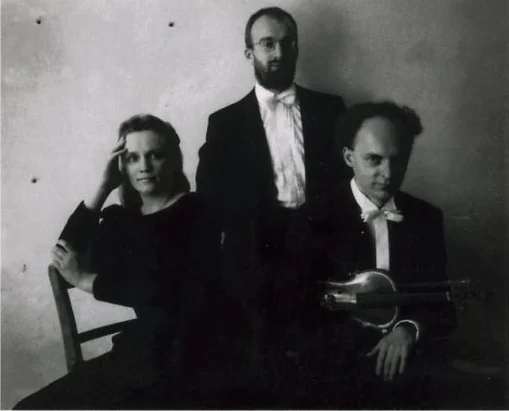
Image from Wikipedia
Image from Wikipedia
Christine Schornsheim – Harpsichord Virtuoso, Fortepiano Poet, Mentor of Historical Performance Practice
Master of Keyboard: How Christine Schornsheim Brings Early Music to Life
Christine Schornsheim, also known by her married name Christine Engelmayr, is one of the most influential harpsichordists and pianists of her generation. Since the 1980s, she has shaped an impressive music career between stage, studio, and academia – with a stage presence that combines baroque affect, sonic transparency, and stylistic elegance. On historical keyboard instruments – harpsichord, clavichord, and fortepiano – she develops an artistic evolution that unites repertoire knowledge, sound-sensitive rhetoric, and learned ornamentation. Her discography includes benchmark recordings from Bach to Haydn, and her teaching positions influence a new generation of historically informed musicians.
Biography: From East Berlin to the European Early Music Scene
Schornsheim was born in 1959 in Berlin and attended the Carl Philipp Emanuel Bach Music Gymnasium from 1969 to 1976. She then studied piano at the University of the Arts in Berlin and took on the role of solo repetiteur at the Hans Otto Theater in Potsdam in 1982/83. Important impulses for her artistic development came from masterclasses with Gustav Leonhardt, Ton Koopman, Johann Sonnleitner, and Andreas Staier. In 1994, she debuted as a song accompanist for Peter Schreier on the historical fortepiano – a moment that sharpened her affinity for the sound language of the 18th and early 19th centuries and confirmed her later focus on historical instruments.
Academic Authority: Professor and Institute Director
Between 1988 and 1992, Christine Schornsheim taught harpsichord and figured bass at the University of Music and Theatre Leipzig and was appointed professor for harpsichord and fortepiano there in 1992. In 2002, she accepted a position at the University of Music and Theatre Munich. Here, she serves as a professor for harpsichord and fortepiano and directs the Institute for Historical Performance Practice. As an academic mentor, she imparts technical know-how regarding articulation, phrasing, tempo choice, and continuo playing, as well as performance aesthetics, source criticism, and instrumentology – a combination of expertise and experience that profoundly shapes her students.
Chamber Music and Ensemble Culture
As a soloist and in chamber music formations, Schornsheim combines interpretative precision with dramatic sensitivity. Regular duo programs with Andreas Staier exemplify a stylistically informed dialogue on equally matched historical keyboards. In addition, she has performed as a harpsichordist with the Berlin Baroque Compagney and the Munich Cammer-Music, among others. These artistic networks deepen her approach to the works: timbres, registrations, and affective characters are refined in an ensemble context – a school of sovereignty that enriches both her stage experience and teaching.
Discography: References with Distinctiveness
Her catalog documents a continuous artistic development and belongs to the canon of early music discography. A standout is the complete recording of Joseph Haydn's piano sonatas on 14 CDs, released by Capriccio in 2005 – awarded among others with the ECHO Klassik, the Diapason d’or, and the German Record Critics' Award. The editorial concept – differentiated groups of works on appropriate instruments, from harpsichord to clavichord to fortepiano – reveals Haydn's sound language as a laboratory of form and character composition. In addition, her Bach cosmos includes the Goldberg Variations and the Well-Tempered Clavier, as well as recordings of works by Bach's sons and Mozart, including piano works for four hands together with Andreas Staier on a vis-à-vis fortepiano by Johann Andreas Stein – a richly colored, historically informed sound dramaturgy.
Awards and Critiques
Schornsheim was early recognized by the music community for her stylistic format and sonic imagination: in 1999, she received the ECHO Klassik for harpsichord concertos by C. P. E. Bach, W. F. Bach, and J. C. Bach. Her complete recording of Haydn from 2005 firmly established her as a reference interpreter for historical keyboard repertoire: critiques highlighted her smart tempo disposition, agogic delicacy, and nuanced articulation, ranging from the intimacy of the clavichord to the speaking brilliance of the fortepiano. In sum, she combines musicological knowledge with interpretive intuition – an authority repeatedly emphasized in the music press.
Current Projects and Stage Momentum (2024–2025)
Even in the current concert life, Schornsheim is making an impact. On June 5, 2025, she will perform a “Odeon” concert on the fortepiano at the Allerheiligen-Hofkirche in Munich – programmatically conceived as a dialogue between classical chamber music and historical sound language. On November 2, 2025, she will appear at the Forum Alte Musik Köln under the motto “Inspiration for Bach” – a curated evening that traces Bach's aesthetic radiance in the context of old masters. These performances affirm her role as a focused stage personality who curatorially contemplates repertoire and dramatically sharpens it.
Digital Visibility: All of Bach and Curated Catalogs
Her contributions to the “All of Bach” project by the Nederlandse Bachvereniging found international resonance: in 2022, she recorded the complete second part of the Well-Tempered Clavier – filmed and accompanied by music essays. This production links performance culture and knowledge transfer, exemplifying how digital formats can deepen historical performance practice. Additionally, label and curator sites – from Capriccio, Warner Classics, Presto Music, and Apple Music – present her recordings in carefully edited catalog contexts, making access to repertoire transparent.
Style and Technique: Rhetoric, Articulation, Registration Art
Schornsheim works with a speaking articulation that derives the phrase structure from baroque rhetoric. In Bach's fugues, she models voices plastically and creates dynamic illusions through the finest agogics and manual changes. On the fortepiano, she cultivates the singing line, using instrument-specific attack and pedaling sparingly for color gradation. Her Bach interpretations convince with contrapuntal clarity; in Haydn and Mozart, she demonstrates form awareness, scenic imagination, and humor – always with an understanding of instrumental idiom and historical moods.
Cultural Influence: Bridges Between Stage, Research, and Teaching
As an artist and educator, Schornsheim connects stage practice, editing tradition, and teaching methodology. Her programs build bridges between courtly representation culture, bourgeois music practice, and contemporary concert dramaturgy. Her artistic direction and jury activities anchor her in supporting new talent; masterclasses in Europe and Japan expand her international network. In this way, she acts as a multiplier of a work-appropriate yet vibrant historical performance practice – a model for sustainable music culture in the 21st century.
Key Works in Discography
– Bach: Goldberg Variations, The Well-Tempered Clavier (complete; additionally 2022 WTK II as part of “All of Bach”).
– Haydn: The Piano Sonatas (complete recording, 14 CDs), Concertos for Harpsichord, Fortepiano, and Organ.
– Mozart: Piano works for four hands, chamber music, and trios on historical instruments.
– Sons of Bach and contemporaries: C. P. E. Bach (Rondos & Fantasias), W. F. Bach, J. C. Bach; selected solo works and concertos.
Guidelines for Interpretation: EEAT in Practice
Experience: Decades on leading stages, differentiated program dramaturgy, and a music career centered around historical instruments – palpable in her stage presence, finely graduated register colors, and lively tempo relationships.
Expertise: Deep repertoire knowledge, source-supported ornamentation, historically informed phrasing; an understanding of composition, arrangement, and production in studio and concert hall.
Authoritativeness: International awards (ECHO Klassik, Diapason d’or, German Record Critics' Award), catalog presence with renowned labels and performances at significant festivals, complemented by her professorship and institute leadership.
Trustworthiness: A verifiable discography, official college and festival profiles, as well as curated project pages guarantee substantiated facts and transparent contextualization.
Why Listen to Christine Schornsheim?
Because she makes the essence of historical performance art audible: the connection between form awareness and imagination, between fidelity to the text and the spirit of improvisation. Her Bach interpretations convince with clarity of counterpoint, while her Haydn performances are marked by wit and expressive articulation. On the fortepiano, she designs a palette of colors between cantabile and brilliant attack – always stylistically conscious, never mannered. For anyone wanting to understand how early music can sound today, Schornsheim is an inspiring guide.
Conclusion
Christine Schornsheim represents a vital, reflective, and audience-friendly early music. Her discography provides orientation, her concerts open ears and hearts, and her teaching ensures quality and continuity. Experience this artist live: the combination of historical sound language, dramatic sensitivity, and sovereign technique creates an immediate magnetic effect in the hall – music as a sensuous speech, precise and personal at the same time.
Official Channels of Christine Schornsheim:
- Instagram: No official profile found
- Facebook: No official profile found
- YouTube: No official profile found
- Spotify: No official profile found
- TikTok: No official profile found
Sources:
- Official Website – Christine Schornsheim
- University of Music and Theatre Munich – Prof. Christine Schornsheim
- Lucerne Festival – Artist Directory: Christine Schornsheim
- Warner Classics – Artist Page: Christine Schornsheim
- Capriccio – Haydn: The Piano Sonatas (Complete Recording), Awards
- Nederlandse Bachvereniging – All of Bach: WTK II (BWV 891), Christine Schornsheim
- Nederlandse Bachvereniging – All of Bach: WTK II (BWV 890), Christine Schornsheim
- Apple Music – Artist: Christine Schornsheim
- AllMusic – Christine Schornsheim: Biography & Discography
- Presto Music – Haydn: Piano Sonatas (Complete), Christine Schornsheim
- Odeon Concert Munich – Program Booklet June 5, 2025 (with Fortepiano)
- Forum Alte Musik Köln – "Inspiration for Bach," November 2, 2025
- Wikipedia: Image and text source