
Willy Astor
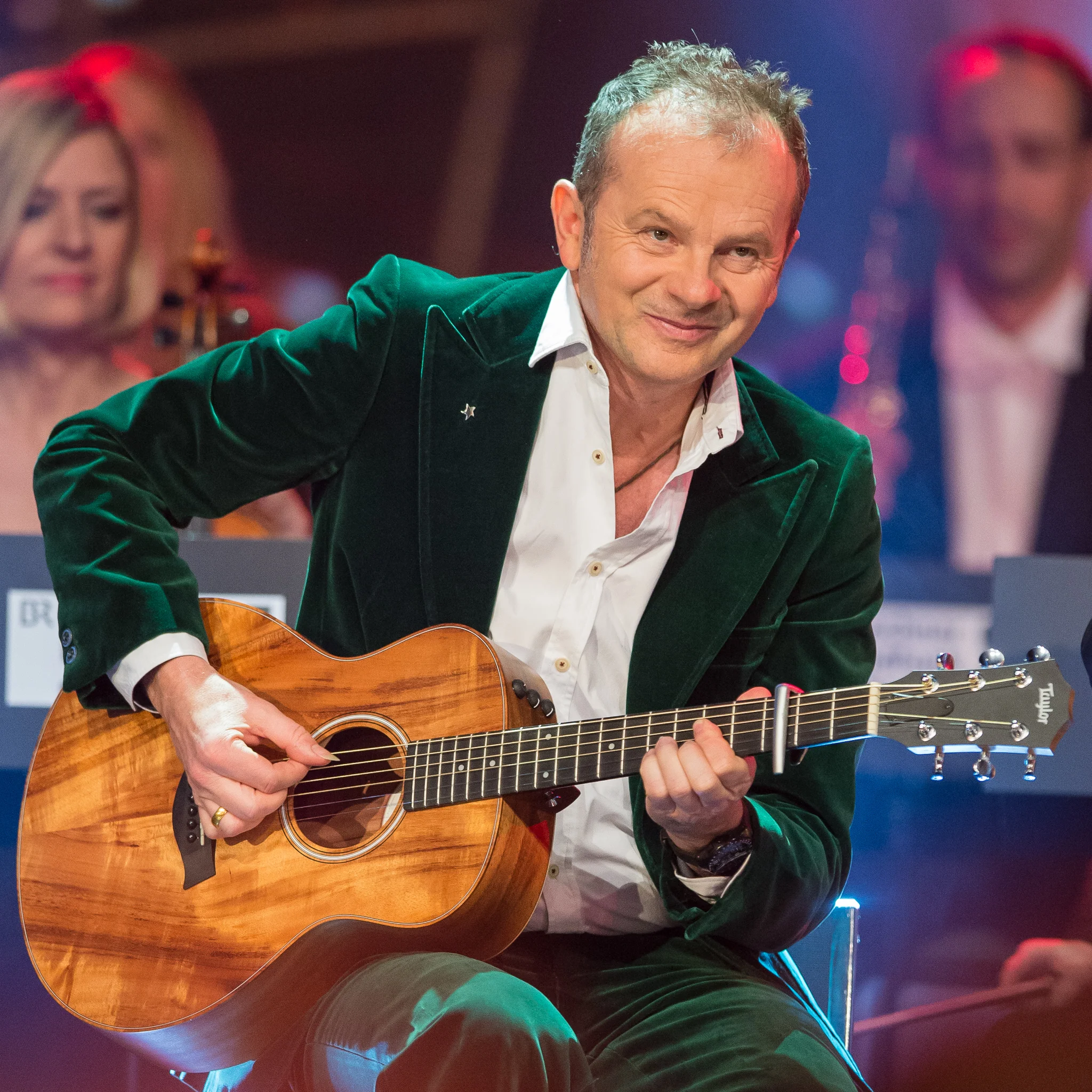
Image from Wikipedia
Image from Wikipedia
Willy Astor – Word Acrobat, Guitarist, and Composer Between Cabaret and Sound Art
An artist who makes language resonate – and lets sounds speak
Willy Astor has been combining stage, word, and sound art as a cabaret artist, musician, and composer into a distinctive body of work for decades. Born in 1961 in Munich, he grew up in the Hasenbergl district, initially trained as a toolmaker, and later found his artistic calling through playing the guitar and making early appearances in the Munich small arts scene. From this "artistic development" emerged a music career that combines humor, poetry, fingerstyle guitar, and compositional finesse – with a stage presence that captivates both audiences and the press alike.
His trademark: brilliant wordplay, subtle observation, and music with feeling. As the author of radio series, a composer of popular melodies, and a guitarist in his long-term project "The Sound of Islands," he has created a versatile oeuvre. In 2025, Astor celebrated his 40th stage anniversary – a milestone that impressively confirms his relevance in cabaret, chanson, and guitar art.
Biography: From Toolmaker to Word and String Artist
Astor began his musical journey early, transitioning from his first accordion lessons to the guitar, deepening his playing in a self-taught manner. Alongside his training at BMW, his talent for composition, arrangement, and stage presence matured. In Munich's small arts clubs, he created his first songs and prose texts, gaining a fan base and laying the groundwork for his "artistic development." Crucial was his combination of fingerstyle guitar, songwriting, and a literary humor that interweaves rhyme, rhythm, and double meanings.
In the 1990s, he made radio and television appearances; with the comedy series "Die Feuchtgrubers," he shaped the profile of Antenne Bayern and brought contemporary punch to Bavarian wit. Concurrently, his reputation as a live cabaret artist grew, weaving the tradition of Southern German word artists with musical virtuosity – always respectful, never hurtful, and always close to the audience.
Career Path and Breakthrough Moments
The early 1990s marked his nationwide breakthrough when Astor showcased his pinpoint timing and "intelligent silliness" to a large audience on television. His repertoire ranged from "Greatest Jokes" to poetic miniatures; soon, guitar solo numbers and ensemble formats were added. In 1994, he received the "Ravensburger Kupferle" (cabaret award), in 2001 the Bavarian Cabaret Award (music prize), and in 2002 the jury prize at the "Großen Kleinkunstfestival" – accolades that solidified his authority in the German-speaking small arts scene.
A significant milestone in his career: in 1997, Astor composed the melody for "Stern des Südens," which is still regarded as the anthem of FC Bayern Munich today. With this, he demonstrated not only the satirical but also the hymn-like, popular side of his compositional skill – melodies with catchy hooks, clear architecture, and emotional drive.
"The Sound of Islands": Guitar Poetry Between Tango, Bossa, Blues, and Jazz
Since the mid-1990s, Astor has cultivated an instrumental project called "The Sound of Islands," which combines stylistic openness with high compositional precision. Characteristic features include modal colors, arpeggiated guitar figures, melodic themes with earworm qualities, and finely balanced dynamics. The albums mark stages of a journey: from acoustic soundscapes to symphonically conceived arrangements to guitar miniatures that create an intimate chamber music atmosphere.
Live, this creates a "sense of islands": music as an antithesis to hustle and bustle, carried by empathy, space, and resonance. Astor's guitar language remains recognizable – clear phrasing, tirando/apoyando transitions in fingerstyle, and nuanced voicing – yet adaptable between folk, Latin, and jazz.
Discography and Chart Successes
Astor's discography combines cabaret recordings, children's songs, instrumental albums, and live releases. Early highlights include "Der Schatz im Silbensee" (1995), "Scherz Spezial Dragees" (1997), and "Live – Ich freu’ mich, dass es zu einer Zugabe kommen kann …" (1998), which made it onto the German album charts. Later highlights range from "Reimgold" and "Tonjuwelen" (2008) to "The Sound of Islands – Symphonic" (2015) and "Chance Songs" (2017). With "Kindischer Ozean" (2014), he also struck a chord with family audiences – a work that combines humorous stories with careful production.
His releases document a clear commitment to quality in composition, text, and production. They reflect the breadth of an artist who masters studio aesthetics and generates energy in concert halls. Live DVDs and CDs capture the artistry on stage without smoothing over spontaneity and interaction – an important aspect of his authority as an entertainer.
Style, Technique, and Stage Presence
Astor's "stage presence" thrives on precise articulation, melodic phrasing, and musical timing that balances punchline and pause. In the cabaret part, chains of rhyme, alliterations, homophonies, and semantic tipping points dominate – a workshop view on "composition" in language. Musically, he relies on refined "arrangement": guitar lines as cantus firmus, along with percussive patterns, sometimes string colors, or band settings.
This dual talent generates dramatic tension: laughter liberates, music deepens. Thus, an evening culminates after the catharsis of the punchline in contemplative soundscapes. This dramaturgy establishes his reputation as a "jack-of-all-trades," who combines humor and seriousness, satire and poetry into a coherent artistic profile.
Cultural Influence and Resonances
Astor has shaped a genre in which wordplay is not an end in itself but the musicality of language. He stands in line with Bavarian and overall German cabaret traditions, yet distinguishes himself through the equal role of the guitar. His songs – from children's earworms to stadium anthems – resonate across generations. Media resonance and sold-out venues attest to the lasting impact of his "artistic development"; his concerts remain encounters where audience culture and wordplay culture intertwine.
Particularly "The Sound of Islands" demonstrates that instrumental music can be popular when it is narratively conceived. This narrative music differs from virtuoso cult: it relies on motif development, harmonic clarity, and emotional understandability without tipping into banality.
Awards, Milestones, and Media
In addition to cabaret awards, TV programs, radio series, and documentaries mark significant milestones in his music career. An impressive portrait dedicated to him was featured in 2025 by the BR series "Lebenslinien." Stage recordings and program excerpts document the depth of his repertoire: from the best-of program "Pointe of no Return" to current solo evenings. Concert history and festival appearances – such as in Munich – underline his continuity in the live business.
As a composer of popular music, "Stern des Südens" remains a cultural signum: an example of how an artist from the small arts scene can create a melody of stadium format – with formal simplicity, sonic warmth, and high recognizability.
Current Projects and Releases (2024–2026)
Since 2024, Astor has been touring with the program "Reimart und Lachkunde – Prädikat wortvoll." The format combines new texts, musical numbers, and the typical mix of grotesque and fine drawing. Meanwhile, he continues his series of releases – recently with book publications and reissues – and focuses on thematically curated evenings blending cabaret and guitar music.
2025 was marked by his 40th stage anniversary, accompanied by media contributions and festival dates. Concert announcements and tour plans also point to additional guest performances in 2025/2026, including family programs where the "Kindischer Ozean" universe will come alive again. This relevance proves: Astor remains a "future-proof model" – tradition-conscious yet always anew.
Voices of the Fans
The reactions from fans clearly show: Willy Astor captivates people worldwide. A YouTube comment sums it up: "One of the most versatile artists – first laughs, then goosebumps." Another comment praises the guitar pieces: "These melodies soothe me like the sound of the sea." And about the word acrobatics, it says: "His flow of rhyme is like jazz – surprising, rhythmic, always musical."
Conclusion: Why You Should Experience Willy Astor Live
Willy Astor combines the economy of good humor with the ecology of good sound. His performances are lessons in timing, tonality, and "arrangement" – entertainment that never aims below the belt yet hits home. As a guitarist, he asserts a poetic language of sound; as a cabaret artist, he cultivates the music of words. This rare synthesis makes him an authority between small arts and concert culture.
Anyone looking to understand how humor and music inspire each other should see Astor on stage: an evening that engages the head, heart, and diaphragm alike – with a lasting echo when the punchline fades and the guitar narrates. Recommendation: secure tickets in advance and discover the full spectrum of this "jack-of-all-trades" in the live experience.
Official Channels of Willy Astor:
- Instagram: No official profile found
- Facebook: No official profile found
- YouTube: https://www.youtube.com/watch?v=3oOrv3JnrhA
- Spotify: No official profile found
- TikTok: No official profile found
Sources:
- Willy Astor – Official Website
- GLM Music – Artist Profile Willy Astor
- ARD Mediathek – “Pointe of no Return,” Excerpts
- ARD Mediathek – Abendschau, Interview (17.02.2025)
- BR Fernsehen – "Lebenslinien: Willy Astor" (03.03.2025)
- Wikipedia – Willy Astor (Works, Awards, Biography)
- Tollwood Munich – Event Notice 2025
- Concert Archives – Tour History (Excerpt)
- Wikipedia: Image and Text Source
Upcoming Events
Willy Astor – Reimart and Laughter Studies
Willy Astor: Reimart and Laughter Studies in Munich
Willy Astor - Reimart and Humor Studies. Certificate of Verbosity
Willy Astor - The Zoo is not a Logical Garden
Willy Astor: Reimart and Laughter Studies in Munich
LaSoNA-OpenAir: Willy Astor's "Sound Of Islands"
Willy Astor's "The Sound Of Islands"
Award of the Bavarian Poetentaler - A Gala Evening of the Munich Tower Writers
Willy Astor – The Sound of Islands at the Fountain Courtyard of the Residence