
Arne Jansen
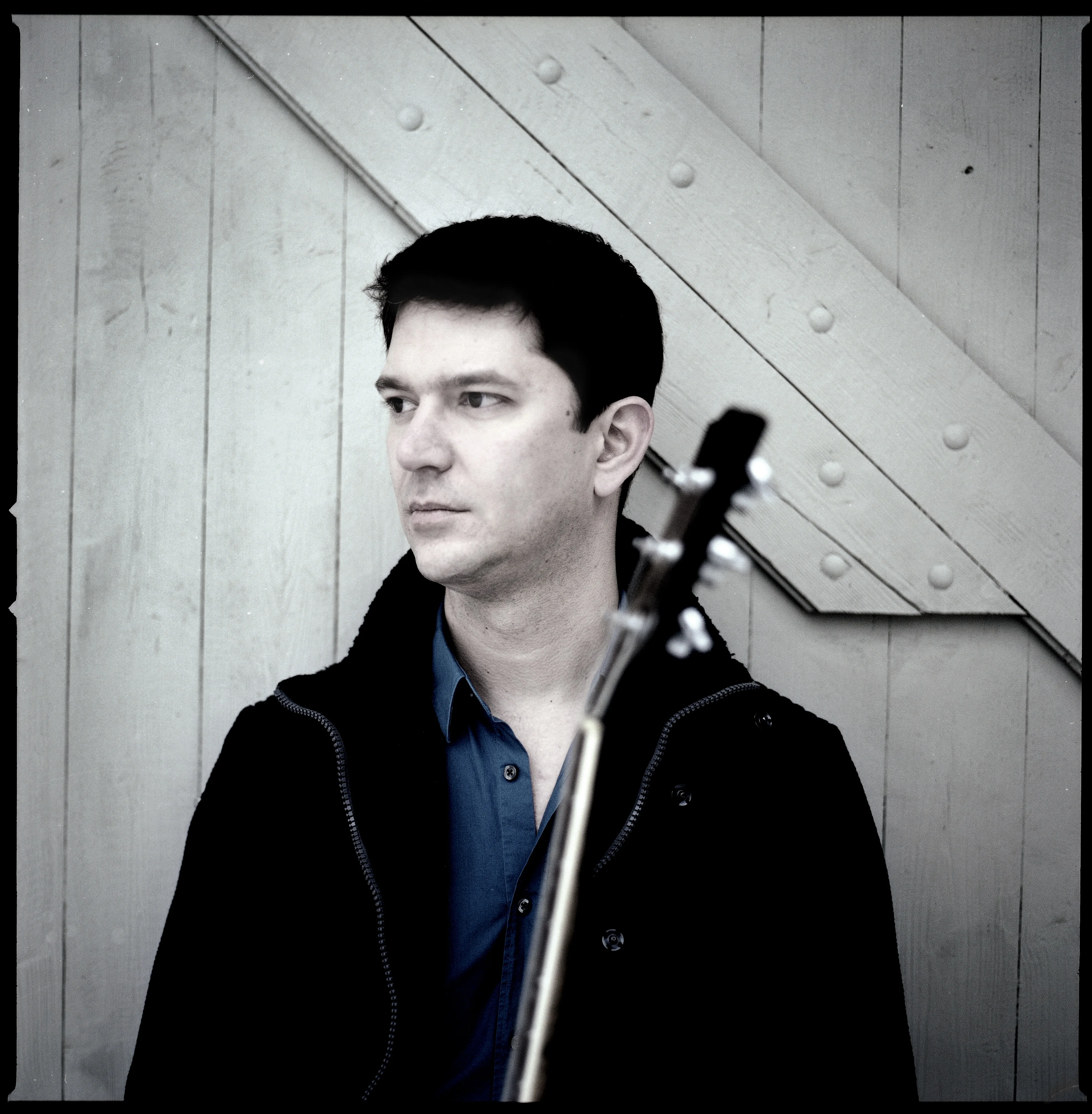
Image from Wikipedia
Image from Wikipedia
Arne Jansen – Sound Poet of the Jazz Guitar Between Lyricism, Groove, and Storytelling
A guitarist who opens spaces: The artistic journey from Kiel to Berlin and far beyond
Arne Jansen, born on November 26, 1975, in Kiel, is one of the most distinctive voices in German jazz guitar. His music career combines virtuosity with narrative depth; his stage presence thrives on sonic elegance, chamber-music intimacy, and rhythmic precision. In Berlin, Jansen refined his profile as a guitarist, composer, and arranger – an artist who adeptly balances jazz aesthetics, song culture, and modern production. Two ECHO Jazz awards underline his authority; numerous festival appearances and internationally noted releases document his artistic development.
Background, Education, and Artistic Development
Growing up in the north, Jansen discovered the suggestive power of the guitar early on – from transparent chord shimmer to the melodic flow of single-note lines. His studies and influences at the University of the Arts Berlin sharpened his vocabulary in harmony, phrasing, and improvisation; the interplay of composition, arrangement, and improvisational shaping became his trademark. Early on, his tone stood out: warm, focused, with a sense of melodic contour and dynamic drama. Simultaneously, he established his Arne Jansen Trio as a laboratory for timbre, interaction, and motive development.
Teacher, Mentor, Sound Architect: The Dual Role as Performer and Educator
As a lecturer for jazz guitar and improvisation at the Hannover University of Music, Theatre and Media and the University of the Arts Berlin, Jansen directly shares his stage experience. Workshops in collaboration with cultural mediators and international institutions expand this practice; his work merges aesthetic play, technical skill, and repertoire knowledge into a coherent teaching methodology. This experience also shapes his productions: Jansen thinks compositionally, consciously stages soundscapes, and curates voicings and textures with an ear for form progression and tension arcs. His artistic development thus remains vibrant and reflective.
Awards, Discography, and the Narrative Principle
Jansen’s discography attests to stylistic breadth and a pronounced narrative impulse. With “The Sleep of Reason – Ode to Goya,” he created a thematic album that translates visual art into musical dramaturgy – a composition and production that masterfully explores the connection of sound, image association, and dramaturgical form, earning him the ECHO Jazz in 2014. In 2017, “Nine Firmaments” followed with a second ECHO award: a statement in sound direction, ensemble balance, and melodic architecture. The works demonstrate Jansen’s expertise in the studio – from sound design and layering to transparent mixes that allow the guitar tone to breathe.
Duo Dialogues as an Art Form: From Studio Sound to Concert Dramaturgy with Nils Wülker
For years, Jansen has formed a congenial duo with trumpeter Nils Wülker. The studio album “Closer” (2023) sharpened the profile of this conversation: jazz harmony meets song poetry, and chamber-music interaction merges with a sense of form, space, and pop melody. The production focuses on balance – trumpet and guitar as equal voices shining through economy and clarity. In 2024, “In Concert” followed, a live album documenting the duo’s stage presence: more willingness to take risks, extended breath arcs, spontaneous reharmonizations, and dramatic escalations. The duo made a strong statement for the art of the intimate format – virtuosic, approachable, and audience-oriented.
Homage and Transformation: Returning to Roots with Stephan Braun
With cellist Stephan Braun, Jansen dedicates himself to the music of Mark Knopfler and Dire Straits – not as a cover band gesture, but as a transformation of classic songs into chamber-music jazz miniatures. The album “Going Home” (2023) opens iconic melodies to new harmonic perspectives and colorations: pizzicato figures meet melodic lines, songful motifs encounter modulated accompaniment figures. The result is a resonance space between jazz idiom, song culture, and the sound of pop history – artfully condensed, subtly grooving, and emotional.
Trio Playing with Symphonic Depth: “The Pilgrimage” with Anders Jormin and Uwe Steinmetz
“The Pilgrimage” (2024) brings Jansen into a trio with Swedish bassist Anders Jormin and saxophonist Uwe Steinmetz. The live album, released by Traumton, unfolds a spectrum from contemplative-spiritual tones to expressive density. Jansen’s guitar work oscillates between choral soundscapes, quiet arpeggio poetry, and focused lead voice. Compositional contrasts are employed by the trio: hymn-like themes following modal densifications; lyrical pauses preparing for dynamic outbursts. The production maintains a natural room acoustic – allowing interaction to remain audible, breathing, and transparent.
Stylistics, Technique, and Sound Culture: From Tone to Narrative
Jansen’s playing is rooted in melody. His compositions utilize clear form elements, organic modulations, and thematic work. As an improviser, he builds arcs over several choruses, using sequences and subtle accent shifts without losing the melodic line. Sonically, he favors singing mids, airy highs, and a relaxed timing; pedal work and amplifier settings serve the narrative. In arrangement, he thinks orchestrally: guitar layers as texture, space for pauses, deliberately set density – creating a musical language that takes listeners by the hand rather than overwhelming them.
Cultural Context and Reception: Jazz as an Open Language
Jansen’s projects connect jazz tradition with contemporary culture. Whether in duo, trio, or collaborative line-ups: his approach opens the music to listeners beyond narrow genre definitions. Reviews emphasize the intimate impact, melodic clarity, and cinematic imagery. In a live context, dynamics, interactive timing, and dramaturgical sensitivity shine; in the studio, the care of production stands out – a signature that connects recording aesthetics and narrative intent. Festival presence and chart resonance of individual projects testify to the intersection of artistic integrity and audience access.
Current Releases and Projects (2024–2026)
The recent phase of work outlines a productive continuity. In 2024, the live document “In Concert” was released in a duo with Nils Wülker – a vital update of the studio narratives from “Closer.” Also in 2024, “The Pilgrimage” marks a sound space between spirituality and improvisational density. In 2026, Jansen continues the chamber-music storytelling tradition with Stephan Braun: “Short Stories” (release: March 27, 2026) gathers intimate, sharply arranged miniatures – the continuation of a format that gives the guitarist maximum expressive freedom and sonic lyrical density. In parallel, Jansen curates his podcast, offering insights into processes, influences, and working methods of contemporary jazz art.
Teaching, Podcast, and Community: Knowledge Transfer as Artistic Practice
Jansen’s teaching at UdK and HMTMH and the conversational culture of his podcast firmly root his practice in the community. Here, experience interacts with curiosity: playing technique becomes a means of storytelling; compositional work links structure and emotion; production reflects sonic intent. This attitude fosters trust – a reliable, transparent artist identity that integrates stage, studio, and mediation. Thus, a credible profile emerges following EEAT criteria: experienced practice, professional depth, recognized reputation, and verifiable facts.
Discography – Selection and Classification
The discography spans from thematically conceived studio works to chamber-music live documents. “The Sleep of Reason – Ode to Goya” positions Jansen as a sound dramaturge with a visually powerful approach. “Nine Firmaments” expands this signature towards broadly spanning forms and sophisticated sound direction. “Closer” and “In Concert” demonstrate the art of the duo: reduction as intensity. “Going Home” showcases Jansen’s confidence in dealing with iconic songs – transformation instead of replication. “The Pilgrimage” finally proves his ability for spirited trio interaction, where each voice takes responsibility for form and atmosphere.
Conclusion: Why You Should Listen to Arne Jansen Now – and Experience Him Live?
Arne Jansen connects melodic clarity with form-conscious improvisation, nuanced production, and dramaturgical instinct. His music opens spaces without ever becoming arbitrary; it tells stories without overstretching pathos. Those who love jazz will find a balance here between sound poetry and substance – a guitar tone that resonates, and compositions that linger. Live, Jansen demonstrates how interaction, dynamics, and silence become events. Recommendation: the duo with trumpet or cello, the trio with bass and saxophone – and at any time his solo and podcast activities. Now is an ideal time to discover the multifaceted nature of this artist.
Official Channels of Arne Jansen:
- Instagram: No official profile found
- Facebook: No official profile found
- YouTube: No official profile found
- Spotify: No official profile found
- TikTok: No official profile found
Sources:
- Arne Jansen – Official Website
- Arne Jansen – News: “In Concert” (with Nils Wülker)
- Nils Wülker – “In Concert” (Warner Music) – Information & Chart Resonance
- Rondo Magazin – Review “Closer”, 02/18/2023
- Jazzclub Tonne – Concert Announcement Arne Jansen & Stephan Braun (05/30/2026)
- Traumton Records – The Pilgrimage (Release, Catalog Information)
- Apple Music – The Pilgrimage (Release 11/15/2024, Traumton)
- ACT Music – Artist Profile Arne Jansen
- Arne Jansen – Discography: Going Home
- Herzog Records (Bandcamp) – Going Home (Details & Release)
- Arne Jansen – Discography: The Pilgrimage
- Apple Music – Artist Profile Arne Jansen (including “Short Stories” 03/27/2026)
- ZDF – JazzBaltica: Nils Wülker & Arne Jansen (Concert Feature)
- Wikipedia: Image and text source
Upcoming Events
Live @ The Room - Arne Jansen & Stephan Braun
Concert: Arne Jansen & Stephan Braun – Short Stories
Concert: Arne Jansen & Stephan Braun Short Stories
Arne Jansen & Stephan Braun – Short Stories in Schwerin