
Aretha Franklin
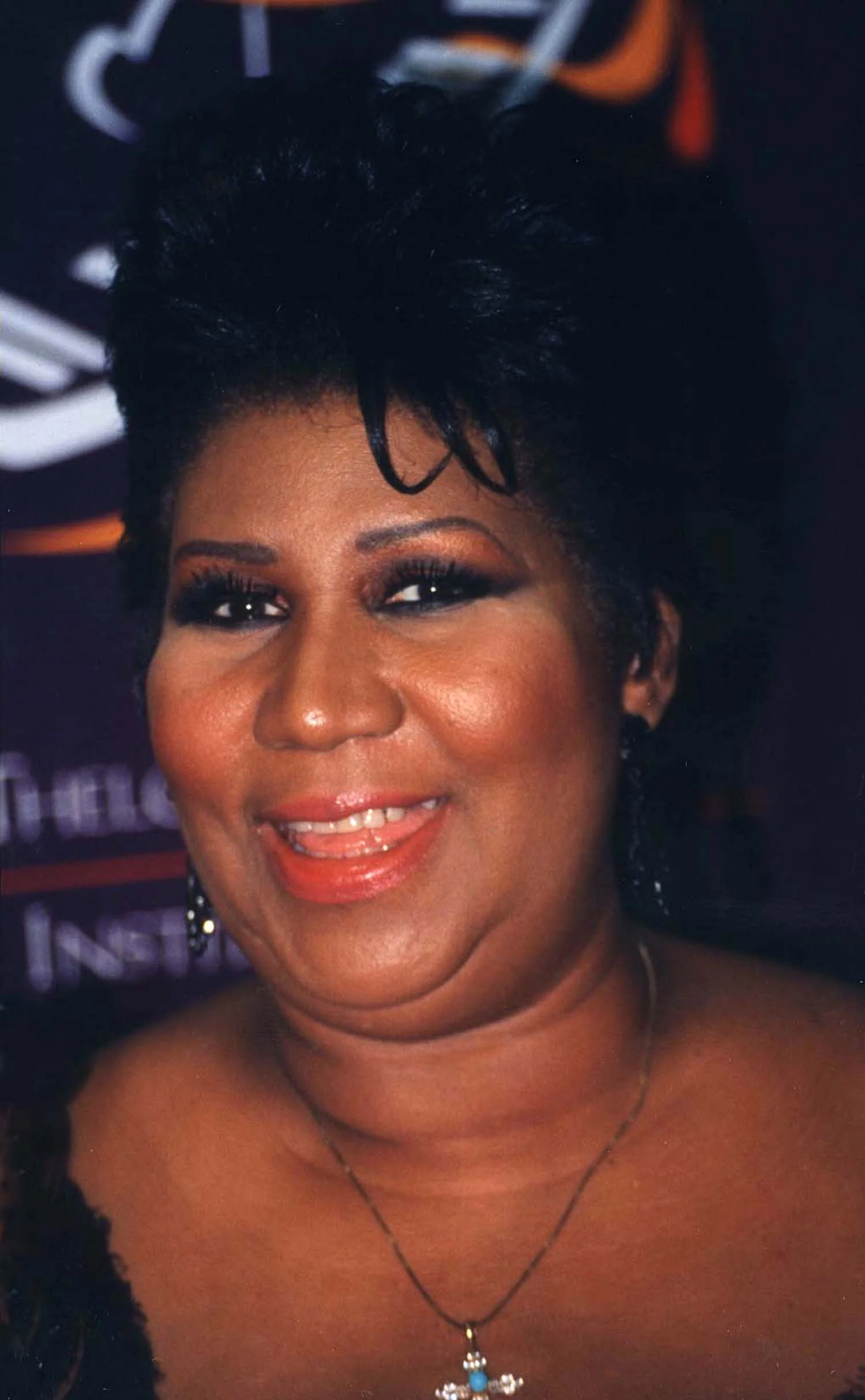
Image from Wikipedia
Image from Wikipedia
Aretha Franklin – The Eternal "Queen of Soul": Voice, Story, Legacy
Aretha Franklin: A Voice That Shapes Generations
Aretha Louise Franklin embodied soul at its highest level: an exceptional voice with unwavering stage presence, a pianist, songwriter, and icon of the civil rights movement. Born on March 25, 1942, in Memphis and raised in Detroit, she early on shaped her music career between gospel church and rhythm & blues. Her breakthrough in the late 1960s changed pop history – with songs that mirrored cultural movements and set musical standards. As the "Queen of Soul," she won 18 Grammys, crafted an unprecedented discography, and remained an artistic benchmark until her death on August 16, 2018, her radiance continuing to endure to this day.
Early Years: Gospel Roots and Artistic Development
Aretha's artistic development began at the piano of her father's New Bethel Baptist Church, C. L. Franklin. Here, gospel aesthetics, improvisation, and call-and-response shaped her vocabulary. Early recordings document her sense of phrasing, harmony, and dynamics – skills that would later define her soul ballads and uptempo numbers. After her early years in the studio with Columbia, she professionalized composition and arrangement, searched for her sound between jazz, pop, and R&B, and honed the interpretational depth that became her trademark.
The Breakthrough at Atlantic: "I Never Loved a Man..." and "Respect"
In 1967, Franklin signed with Atlantic Records – a turning point. The album "I Never Loved a Man the Way I Love You" is considered an artistic liberation: recorded with a groove-oriented rhythm section, pointed brass arrangements, and raw studio energy. Her cover of Otis Redding's "Respect" transformed a plea into a proud assertion, iconic in vocal lines, vocal approach, and backing vocals. This recording linked studio aesthetics, political momentum, and personal expressiveness – a prime example of soul production, where timing, mic placement, and arrangement carry the message.
Golden Era: Hits, Albums, Chart Success
Between 1967 and 1974, standards lined up: "Chain of Fools," "(You Make Me Feel Like) A Natural Woman," "Think," "I Say a Little Prayer." During this phase, Franklin perfected the balance of gospel-infused vocal focus, blues harmony, and pop form. Her studio work demonstrated a keen sense for song dramaturgy – from the intro through dynamic builds to climactic conclusions. At the same time, her authority grew: first woman inducted into the Rock and Roll Hall of Fame (1987), repeatedly honored, celebrated by music press and audiences as the benchmark vocalist of her generation.
Arista Years and Stylistic Expansion: From Ballad to New Jack Swing
From 1980 onwards, she continued her career with Arista, adopting a contemporary production style. Powerful ballads, funky grooves, and radio-friendly hooks kept Aretha present in the mainstream. "Freeway of Love," "Who’s Zoomin’ Who?" or collaborations with stars of her time showcased how seamlessly she integrated into new soundscapes. Although late 1980s and 1990s productions experienced varying receptions, her artistic signature remained audible: her unmatched melisma, clarity of articulation, sensitive play with blue notes, and a piano style that grounded the vocal lines.
Live Icon, Opera Moment, and Cultural Symbolism
As a live performer, Franklin combined technical prowess with emotional directness. Her legendary substitution for Pavarotti in 1998 with "Nessun Dorma" has become an operatic moment that vividly demonstrated how sustainable her technique and musicality were beyond genre boundaries. Whether in churches, concert halls, or at historic events: her performances condensed spirituality and show, virtuosity and storytelling. Thus, she became not only the voice of soul but the voice of collective experience.
Discography Overview: Key Works and Editions
Franklin's discography includes studio albums, gospel projects, live albums, and compilations. Key works such as "I Never Loved a Man the Way I Love You," "Lady Soul," or "Young, Gifted and Black" form the creative axis of her Atlantic era. Later Arista releases broadened the spectrum, ranging from modern R&B productions to concepts with contemporary producers. Comprehensive box sets and thematic collections – such as "ARETHA," "The Atlantic Singles Collection 1967–1970," or curated best-ofs – keep her catalog presence alive and make the production aesthetics of entire phases newly accessible.
Critical Reception and Awards
The music press regularly honored Franklin as a benchmark of vocal excellence. Rolling Stone has named her the greatest singer of all time multiple times; Grammys in 18 categories as well as Lifetime and Living Legend awards document critical and industry respect. National honors such as the Presidential Medal of Freedom underscore her status as a cultural institution. The breadth of her repertoire – from R&B through gospel and jazz to pop – has been repeatedly referred to in reviews as a textbook of modern vocal art, where interpretation, song selection, and arrangement seamlessly intertwine.
Style and Sound Aesthetics: What Makes Aretha's Singing Unique
Franklin’s singing combines precision and freedom. Technically, her control over register shifts, vibrato placement, and timing stand out; aesthetically, gospel call-and-response, blues intonation, and improvisational phrasing shape her interpretations. In production, an earthy rhythm section, distinctive organ and piano figures, and pinpoint brass often characterize an arrangement that never obscures but rather supports the voice. This signature makes even cover versions original statements – "Respect" or "Natural Woman" are paradigmatic of this.
Cultural Influence: Soundtrack of Social Emancipation
Franklin became an artistic cipher for self-determination, dignity, and hope. Her songs found their place in the civil rights movement, accompanied feminist discourses, and represented African American cultural history worldwide. The influence still touches songwriting, production, and vocal training today – countless artists refer to Aretha's phrasing, tonal quality, and emotional economy as a reference. Her posthumous Pulitzer Prize and ongoing Hall of Fame inductions show how deeply her work is embedded in institutions and audiences.
Current Editions, Catalog Management, and Legacy
Even after 2018, the catalog remains dynamic: official estate and label activities curate reissues, digital remasters, and thematic playlists. The official website consolidates news about box sets, archive finds, and video premieres; label pages continue to present key albums from the Atlantic and Arista phases. Data-driven analyses simultaneously demonstrate her streaming relevance: classics consistently perform stably in curation and algorithm ecosystems, bringing younger audiences closer to her repertoire, sound, and story.
Timeline of Music Career: Milestones in Brief
1967 marks the breakthrough with "I Never Loved a Man…" and "Respect." The late 1960s and early 1970s solidify her rank with album classics, before Arista establishes a modernized pop and R&B orientation from 1980 onwards. In 1987, she is historically inducted as the first woman into the Rock and Roll Hall of Fame. In the 1990s and 2000s, she expands her late work, delivers poignant live moments, and remains a sought-after duet partner. Posthumously from 2019, institutions honor her life's work with special recognitions while catalog editions create new contexts.
Voices of the Fans
Fans' reactions clearly show: Aretha Franklin captivates people worldwide. On Facebook, enthusiastic comments about her "timeless vocal power" and the "goosebumps factor" of her live performances can be found. In fan discussions, her influence on soul, R&B, and pop is frequently highlighted – often linked with personal stories about how her ballads accompanied life events.
Conclusion: Why Aretha Franklin Is More Important Today Than Ever
Aretha Franklin's work unites artistic development, technical mastery, and cultural significance. Her discography provides a panorama of modern soul – from raw, earthy recordings to highly produced chart successes. Her stage presence remains a reference for singers, and her songs continue to resonate in playlists and concert stages. Anyone wishing to understand what soul as a form of expression can achieve must listen to Aretha – preferably loud, focused, and interpreted live. Her legacy invites a rediscovery of the classics and an experience of the spirit of this extraordinary artist here and now.
Official Channels of Aretha Franklin:
- Instagram: No official profile found
- Facebook: https://www.facebook.com/arethafranklin
- YouTube: No official profile found
- Spotify: https://open.spotify.com/artist/7nwUJBm0HE4ZxD3f5cy5ok
- TikTok: No official profile found
Sources:
- The Official Site of Aretha Franklin – Official Website
- Atlantic Records – Artist Page Aretha Franklin
- Wikipedia (EN) – Aretha Franklin, Awards & Biography, retrieved March 2026
- Biography.com – Aretha Franklin: Biography
- Billboard/Rolling Stone – Critical Reception, Historical Context
- YouTube Blog – Official Artist Channels (Context for OAC)
- Kworb – Spotify Catalog Overview (Aretha Franklin)
- WHO’S WHO – Biographical Data & Career Path
- TIME – Report on Late Career Phase
- Facebook – Official Page (Verification proven in industry publications)
- Wikipedia: Image and text source